

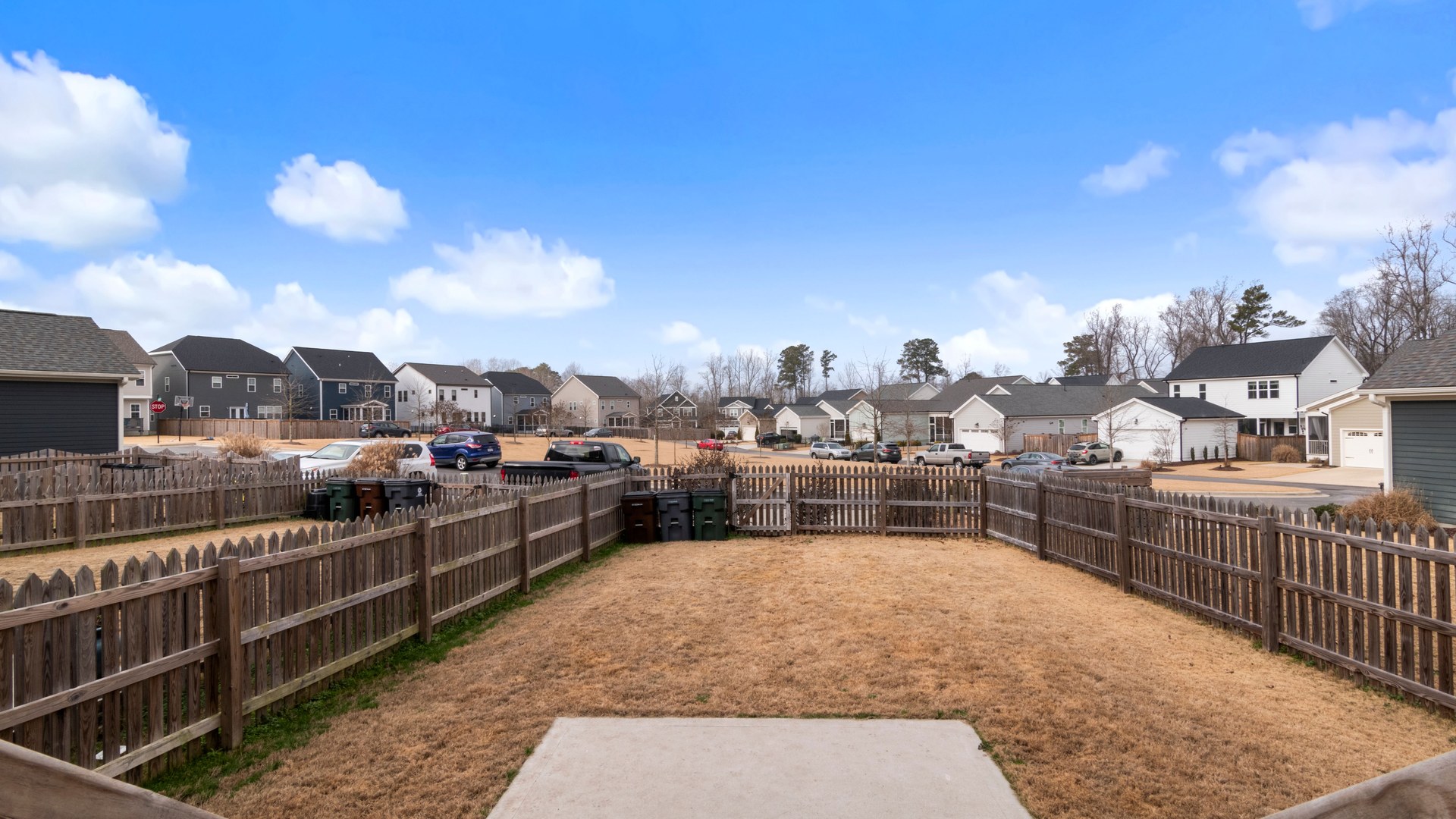
You have probably heard it at a barbecue or from a real estate agent: put up a fence and the house is worth more. It sounds simple, and for a lot of homes it is true. But the number is smaller than most people expect, and it is not the same number twice. An appraiser, a buyer, and a contractor will each give you a different figure for the same fence, and all three can be right.
The short answer: yes, usually, but not by as much as you think
Yes, a fence can add value to a home, typically raising the sale price by 2% to 5% and returning 50% to 70% of what the fence cost to install. On a $400,000 home, that works out to roughly $8,000 to $20,000 in added market value, while a $5,000 fence usually adds $2,500 to $3,500 at resale. Wood and vinyl privacy fences return the most, chain-link returns the least, and a fence in poor condition can take value away instead of adding it.
Those ranges come from HomeGuide’s 2026 fence value guide and Angi’s fence value guide, which agree on the shape of the answer even where the exact numbers differ: a fence pays back part of its cost, never all of it, and the material and the neighborhood decide where in the range you land.
At a glance
- Yes, usually, but less than people expect: a fence typically raises the sale price by 2% to 5% and returns 50% to 70% of what it cost to install.
- On a $400,000 home: roughly $8,000 to $20,000 in added market value.
- On a $5,000 fence: usually $2,500 to $3,500 back at resale.
- Wood and vinyl privacy fences return the most; chain-link returns the least.
Contents
- The short answer: yes, usually, but not by as much as you think
- Two different values: the appraisal number and the buyer number
- What a fence is worth, by material
- Where a fence adds the most value
- When a fence hurts your home value
- How to estimate what a fence adds to your home
- Before you build: permits, property lines, and the HOA
- Keeping the value: maintenance buyers notice
- The verdict: build it for the years you live there
- Questions people ask
- Sources
Two different values: the appraisal number and the buyer number
A fence has two values at once, and the gap between them is the first thing to understand. An appraiser credits a fence for 30% to 40% of what it cost to install, while a buyer at the closing table typically pays for 50% to 70% of it. On a $5,000 fence, that is $1,500 to $2,000 on paper against $2,500 to $3,500 in the sale price. The difference is lifestyle value, and appraisals do not measure it the way buyers do.

Appraisers work from a cost approach. They look at what the fence cost, subtract depreciation for age and wear, and compare it against similar homes that sold with and without fences. iBuyer explains the split plainly: the formal appraisal typically credits only 30% to 40% of a fence’s installation cost, while the market sale price reflects a 50% to 70% recovery, because buyers factor in lifestyle value that appraisal methods do not fully capture.
Buyers pay for what the fence lets them do the day they move in. A fenced yard means the dog goes out without a leash, the kids play without a parent standing at the door, and the patio feels like a room instead of a patch of lawn next to the neighbors. None of that shows up as a line item on an appraisal, but it shows up in the offer, and in the size of the buyer pool: a home without a fence forces pet-owning buyers to add the cost of a fence to their mental price of the house, and many of them simply skip the listing. Roughly 66% of US households own a pet, according to the American Pet Products Association, as cited by HomeGuide, so that is most of the buyer pool in a family neighborhood.
This split is why the same fence can look like a bad investment and a good one at the same time. Judged only by the appraisal, a fence always disappoints. Judged by the sale price and the years you use it, the math looks different. Keep both numbers in mind, and do not let anyone quote you just one of them.
What a fence is worth, by material
Material is the single biggest lever on return. A privacy fence in cedar or vinyl returns far more of its cost than the same length of chain-link, and the reason is simple: buyers pay for privacy and for a fence they will not have to think about. The table below pulls the ranges together from HomeGuide, Angi, and Opendoor so you can compare them on one page.
| Material | Installed cost per linear foot | Typical lifespan | Cost recovered at resale |
|---|---|---|---|
| Wood privacy, cedar or redwood | $15 to $35 | 15 to 20 years | 50% to 70% |
| Vinyl privacy | $20 to $40 | 20 to 30 years | 50% to 65% |
| Wrought iron or aluminum | $25 to $50 | 20 to 50 years | 55% to 65% |
| Composite privacy | $25 to $45 | 25 to 30 years | 45% to 60% |
| Chain-link | $7 to $15 | 15 to 20 years | 20% to 40% |
Cost and lifespan figures are from HomeGuide, with ROI ranges cross-checked against Angi and Opendoor.
For the type-by-type picture behind these numbers, see our guide to fence types and cost by job.
Wood privacy fences are still the best all-round value play. Cedar and redwood cost less than vinyl up front, look warm against most house styles, and give the full 6-foot screen buyers want. Opendoor’s breakdown puts a wood privacy fence at about $5,500 installed returning about $3,300, a 60% recovery, the strongest single figure in its fence section. The catch is upkeep: wood needs stain or seal every 2 to 3 years, and a wood fence that goes grey and starts leaning gives back far less than a cared-for one. For the lifespan behind those prices by species, see how long wood fences last. If wood is the material you are leaning toward, our guide to the ten wood fence styles walks through the ten styles, from picket to board-on-board, with costs and lifespans.
Vinyl wins on the second half of the story. It costs more per foot, roughly $5,000 to $9,000 for a typical backyard job per Opendoor, and its headline recovery is a little lower than wood. But it never needs staining, never rots, and still looks new at the showing ten years later. A vinyl fence that looks the same on day one and day 3,000 is an easier sell than a wood fence that needs a weekend of work the month you list. For the price side of the same decision, see how much a privacy fence costs, with per-foot prices by material, height, and board style.
Ornamental metal, wrought iron and aluminum, plays a different game. It returns 55% to 65% and lasts decades, but it gives no privacy at all. It earns its keep on front yards and on homes where the view is part of the value. On a suburban backyard where the neighbors are twenty feet away, it is the wrong fence at the wrong price.
Chain-link is the honest budget option and the weakest value play. It encloses a yard for the least money, and for a large lot or a dog run that can be enough. But buyers read it as purely functional, and in a nicer neighborhood it can read as cheap. Angi puts chain-link recovery near 30%, against about 50% for other types, and Opendoor notes that a visible chain-link fence can detract from perceived value in upscale areas. If you already have chain-link and plan to sell, vinyl-coated mesh or privacy slats can lift its look for a fraction of a replacement, or removing it can be the better move. For the full per-foot breakdown by material, height, and style, see our guide to fence costs by material.
Where a fence adds the most value
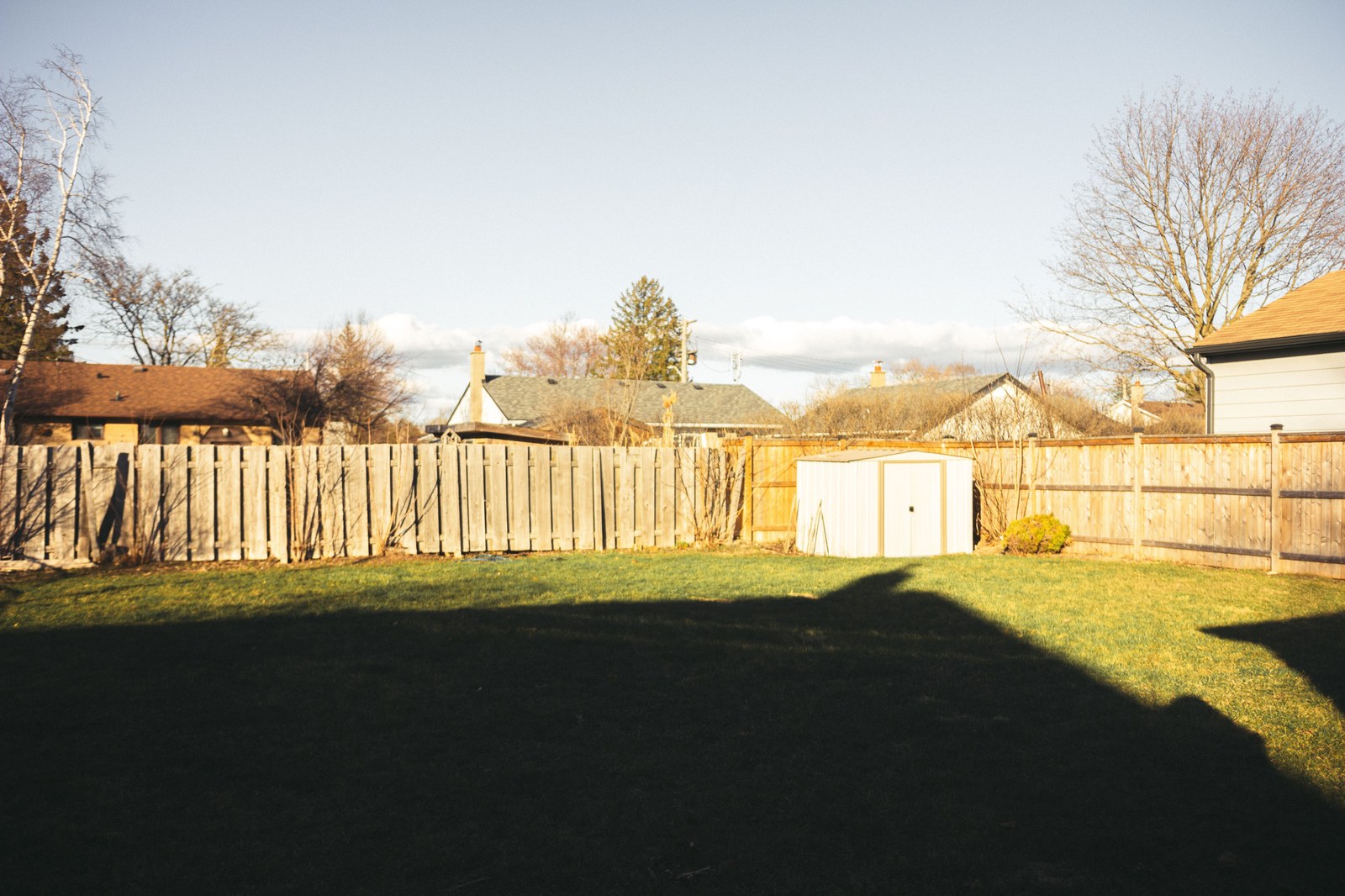
A fence is not worth the same amount on every street. It pays best where buyers are already looking for one, and worst where nobody expects one. Before you build, read your own neighborhood the way a buyer would.
| Your situation | What a fence is worth there | Why |
|---|---|---|
| Suburban family neighborhood, close-set homes | High, near the top of the range | Privacy, kids, and pets are the top buyer priorities |
| Urban or busy-road home | High | A solid fence cuts noise and screens the street |
| Home with a pool | High, and often required | Safety barrier buyers expect, and local code may demand it |
| Rural home on several acres | Low for a full perimeter | Fencing acres costs far more than buyers will pay for |
| Upscale open-yard neighborhood | Low, sometimes negative | Buyers expect open lawns; a tall fence breaks the look |
| HOA community with strict fence rules | Capped by the rules | Only the approved style and height add value |
Urban homes are the second strong case, for a different reason. A solid fence on a busy street screens the road, deadens some of the noise, and marks a clear boundary where the sidewalk ends and your property begins. HomeGuide cites a 5 to 10 decibel drop in perceived noise from a solid wood or vinyl fence, and on a loud street that is the difference between a yard you use and a yard you ignore.
Pools deserve a note of their own. A pool fence is a safety barrier, and in many towns the code requires one. Buyers with children will not consider a pool home without one, so the fence is close to a condition of sale rather than an upgrade.
The simplest test costs nothing: drive your street and count. If most homes already have fences, adding one brings your home in line with what buyers expect. If fewer than half have fences, think twice, because your fence may be the one that looks out of place.
When a fence hurts your home value
A fence can take value away. Not often, but often enough that the cases are worth naming, because every one of them is avoidable.
| What goes wrong | How it hurts value | The fix |
|---|---|---|
| Fence in poor condition | Leaning posts and broken pickets signal neglect to every buyer | Repair, replace, or remove it before listing |
| Wrong style for the home | Chain-link on a luxury home, ornate iron on a starter home | Match the fence to the house and the street |
| Blocks a view | A tall solid fence can hide the view buyers pay for | Use open metal or a lower fence on the view side |
| Built over the property line | Legal dispute, forced removal, trouble at closing | Get a survey before you build |
| Breaks HOA rules | Fines, forced removal, a sale that stalls | Read the HOA covenants before you order materials |
| No permit where one was required | Buyer leverage, delays, or a demand to remove it | Check with the building department first |
Condition is the biggest one, and the most common. A damaged fence is worse than no fence at all: buyers read leaning posts, peeling paint, and rust as a sign the whole property was neglected, and the fence is the first thing they see. HomeGuide puts it bluntly: if your fence is in poor shape, repair it, replace it, or remove it before listing. Angi agrees, noting that a poorly maintained fence can lower your home value by hurting the overall appearance of the property.
Style mismatch is the quiet version of the same mistake. A chain-link fence around a $700,000 home tells buyers the owner cut corners, and an ornate iron fence around a starter home tells them the money went to the wrong place. The fence should look like it belongs to the house and the street.
Views are the one case where a fence can cost more than it saves. If your lot has a lake, a valley, or a skyline, a 6-foot solid fence on that side trades the view for privacy, and the view is usually worth more. Use an open design on the view side, or keep that run low, and put the tall privacy fence where the neighbors actually are.
Property lines and HOA rules are the expensive mistakes, because they can force you to take the fence down after you paid for it. A survey costs $300 to $800 per HomeGuide, which is cheap insurance against building on the neighbor’s land. And HOA covenants can limit height, material, color, and placement, or ban fences outright. Read them before you spend anything. For the insurance side of the same question, see whether home insurance covers a fence.
How to estimate what a fence adds to your home
National averages are a starting point, not an answer. Your fence, your street, and your buyer pool decide the real number. Here is a five-step way to get a rough figure you can trust, using your own numbers instead of a national table.
- Price the fence. Work out what a fence costs for your material and length. For a full worked budget with gates, removal, permits, and a survey included, see what a whole fence project costs. A typical professionally installed backyard fence runs about $3,200 on average per Angi, with most jobs landing between $1,800 and $9,000 per HomeGuide.
- Apply the recovery range. Multiply the installed cost by 50% to 70% for a wood or vinyl privacy fence in a family neighborhood, 20% to 40% for chain-link, and 55% to 65% for ornamental metal. A $5,000 wood privacy fence lands at $2,500 to $3,500. That is the market value, what a buyer is likely to pay for.
- Check the appraisal number separately. Multiply the same cost by 30% to 40%. That $5,000 fence is $1,500 to $2,000 on paper. If you are refinancing rather than selling, the lower number is the one that counts, so plan on it.
- Compare similar homes. Look at recent sales on your street and nearby, some with fences and some without. If fenced homes of the same size and age sold for more, that gap is your local evidence, and it beats any national table. Ask a local agent which fence styles buyers in your area actually ask for.
- Adjust for condition and timing. A new fence returns the top of its range. A five-year-old wood fence that has never been stained returns less, and a fence you install the month you list returns the most, because it looks new in the photos. If you are selling within a year, a fresh fence is a curb-appeal spend as much as a value spend.
Worked example: a 150-foot, 6-foot cedar privacy fence professionally installed for $5,000 in a suburban family neighborhood. Market value added: $2,500 to $3,500, or about 50% to 70% of cost. Appraisal credit: $1,500 to $2,000. Treat the cost-recovery number as the safer planning figure; the 2% to 5% of home value framing is wider because it includes the whole effect of a fenced yard on the sale, not just the fence itself.
One comparison keeps the fence honest. Homes.com notes that the latest Cost vs. Value Report found garage door replacement returning about 268% of its cost and a minor kitchen remodel about 113%, while fencing sits far below both. A fence is a solid mid-tier improvement, not a top-tier one, and it should never be your first spend if the roof leaks or the kitchen is twenty years old.
Before you build: permits, property lines, and the HOA
A fence that adds value is a fence that is legal, on your land, and built to last. Three checks before the first post hole protect all three.
First, the permit. Many towns do not require one for a backyard fence, but where they do, expect $20 to $150, and a fence built without a required permit can become a problem at closing. Call the building department, not the contractor, and get the answer in writing if you can. Height limits are part of the same call: many towns cap backyard fences at 6 feet and front yards at 4 feet or less.
Second, the property line. Fences sit on or near the line, and a fence built a foot over it can mean a dispute, a forced removal, or a buyer who walks away. A survey costs $300 to $800 per HomeGuide and settles the question. If the lines are already marked and undisputed, you can skip it, but if there is any doubt, the survey is the cheapest money in the whole project.
Third, the HOA and the neighbors. HOA covenants can restrict height, material, color, and placement, and some ban fences outright. A fence that breaks the rules can draw fines and a removal order, and it will show up in the sale paperwork. Talk to the neighbors too, especially on a shared boundary: a fence on the line is often a shared fence in practice, and a neighbor who agrees to split the cost changes the math for both of you.
Then build it right, or hire someone who will. Angi puts professional installation at about $1,600 on a standard fence, roughly half the project, and it is money well spent when the sale is the goal. A leaning DIY fence lowers the return and can cost more to fix than the labor saved. Whatever you decide, call 811 a few business days before any digging: it is the free national before-you-dig service, and it marks buried utilities before a post hole finds them.
Height is usually the first thing the permit or HOA checks: our guide to how tall a privacy fence can be walks through the legal limits and the sightline test.
Keeping the value: maintenance buyers notice
A fence loses value the same way it gains it: slowly, then all at once. Wood fences need washing and re-staining every 2 to 3 years, vinyl needs a wash once a year, and metal needs a rust check and a touch-up where the coating breaks. Leaning posts, sagging gates, and broken pickets should be fixed as soon as they appear, because a buyer sees them from the curb and prices them into the offer. The maintenance bill is small next to the build cost, and it is the difference between a fence that returns 70% and one that returns 30%. Our guide to how to clean a fence covers the method by material, and if the boards are going green, that is usually algae or mildew rather than rot. For the lifespan behind the maintenance schedule, see how long a wood fence lasts.
The verdict: build it for the years you live there
So, do fences add value to a home? Yes, in most cases, and the honest number is 50% to 70% of the cost back at sale, or 2% to 5% added to the home’s market value in the right neighborhood. That makes a fence a good buy for the right reasons and a poor buy for the wrong ones.
Build a fence when you will use it: kids, a dog, a busy street, a pool, or a backyard you actually live in. In those cases the daily value pays for the gap between the cost and the resale return, and the fence is worth it even if the appraisal credits only a third of it. Build it in the material that fits your street, keep it in good repair, and get the permit, the survey, and the HOA sign-off first.
Do not build a fence as a pure resale play. It will not pay for itself at the closing table, and if you are selling within a year, a fresh coat of stain on the fence you have, or a repair of the one that leans, will return more per dollar than a brand-new run. And skip it entirely if your street is open yards, your HOA bans it, or the view is worth more than the privacy. The best fence decision is the one that fits the house, the street, and the years you will live behind it.
Bottom line
Build the fence for the years you will live with it, not for the sale. The resale return covers about half to two-thirds of the cost, so a fence pays when you enjoy it first and sell it second.
Questions people ask
Yes, in most cases. A fence typically adds 2% to 5% to a home’s market value and returns 50% to 70% of its installation cost at resale, according to HomeGuide. On a $400,000 home, that is roughly $8,000 to $20,000 in added value, while a $5,000 fence usually adds $2,500 to $3,500. The exact return depends on the material, the condition, and the neighborhood.
On a $400,000 home, a fence typically adds $8,000 to $20,000 in market value, or 2% to 5%. Cost recovery is more modest: a $5,000 fence typically adds $2,500 to $3,500 in resale value. Wood and vinyl privacy fences return the most at 50% to 70%, while chain-link returns the least at 20% to 40%.
Most fences return 30% to 70% of their installation cost, with an average near 50%, per Angi. Wood and vinyl privacy fences sit at the top of that range at 50% to 70%, ornamental metal at 55% to 65%, and chain-link at 20% to 40%. Formal appraisals typically credit less, 30% to 40% of cost, because they do not fully capture the lifestyle value buyers pay for.
A 6-foot cedar or vinyl privacy fence in the backyard usually adds the most value, especially in suburban family neighborhoods. Opendoor puts a wood privacy fence at about $5,500 installed returning about $3,300, a 60% recovery. Vinyl costs more up front but holds its looks with almost no upkeep, which buyers value at resale.
Yes. A fence in poor condition, the wrong style for the home, one that blocks a valued view, or one built over the property line or against HOA rules can lower value or stall a sale. A damaged fence is worse than no fence at all, so repair, replace, or remove it before listing.
Yes, but modestly. Appraisers typically credit a fence for 30% to 40% of its installation cost using a cost approach with depreciation, which is less than the 50% to 70% buyers often pay in the sale price. The gap is lifestyle value: privacy, pet containment, and a safe yard, which appraisals do not fully capture.
It depends on timing. If you are selling within a year, a new fence rarely pays for itself, and repairing or staining the fence you have usually returns more per dollar. If you will live there for years, a fence pays in daily use plus a 50% to 70% recovery at sale, which makes it a sound buy in a family neighborhood.
Sources
- HomeGuide’s fence value guide for 2026
- Angi’s fence value guide
- Opendoor’s home features that add the most value
- iBuyer’s fence value guide
- Redfin’s fence value guide
- Homes.com’s fencing value guide
- 811, the free national before-you-dig service
Last updated: November 19, 2026. Figures are 2026 US national averages from the sources above. Local quotes and recent sales on your street rule, so get at least three written, itemized bids before you commit.
