

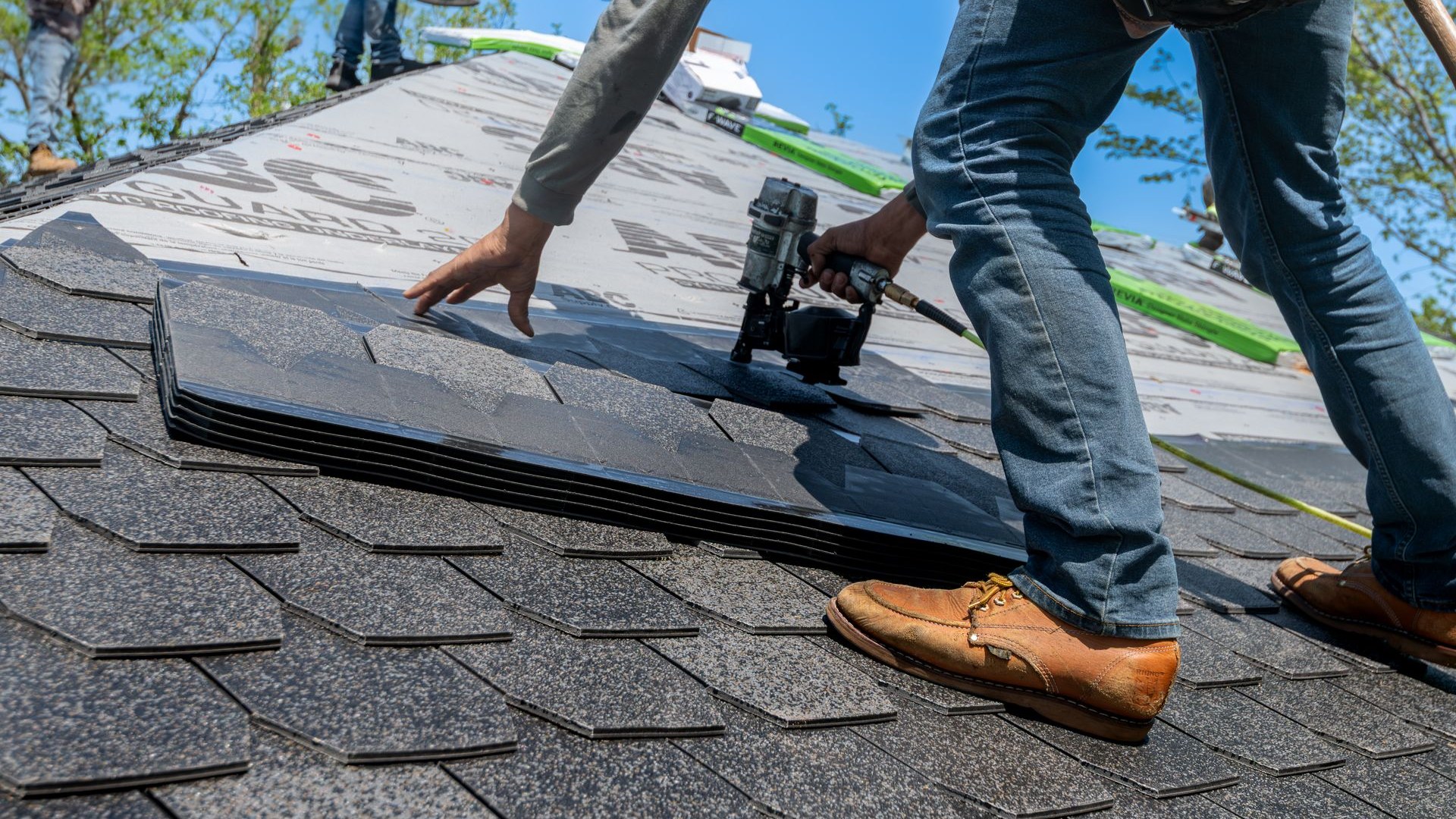
Most roofs fail quietly. A shingle lifts a little in a spring storm, a bead of sealant dries out around a vent pipe, a gutter stays half full of leaves through one wet fall. None of it shows inside the house until the stain appears on a ceiling, and by then the repair costs several times what the small fix would have. A roof maintenance plan is the routine that catches those small things on a schedule, before they turn into leaks, rot, or an early replacement.
Short answer: A roof maintenance plan is a written, year-round schedule of inspections, cleanings, and small repairs for your roof, run twice a year in spring and fall, with extra checks after any major storm. The core of it is a ground-level inspection, a gutter and downspout cleaning, an attic check, and a log of what you found. The rest of this plan covers the seasonal calendar, how often each job runs, the full inspection checklist, where DIY stops and a pro starts, and how to keep a record that protects your warranty.
Contents
- What a roof maintenance plan is
- The year at a glance: your seasonal plan
- How often to inspect: the schedule by roof age and type
- The inspection checklist: what to look for each time
- DIY or hire a pro: where the line sits
- Contractor maintenance plans: what they include and what to ask
- Keep a roof log: the record that pays for itself
- Repair or replace: how the plan tells you
- Safety rules that shape the whole plan
- Questions people ask
- Sources
What a roof maintenance plan is
A roof maintenance plan is a scheduled routine of small checks, cleanings, and minor fixes, repeated through the year, that keeps a roof watertight so small failures never grow into leaks, rot, or an early replacement. It is not a one-time inspection and it is not a repair contract. It is a calendar: what gets checked, when, by whom, and what happens with the findings. The plan covers the roof surface, the flashing around chimneys and vents, the gutters and downspouts, and the attic underneath, because a roof fails from any of those four places.
The plan has three layers. The first is your own twice-a-year walk-around, done from the ground with binoculars and from inside the attic. The second is a professional inspection on a set rhythm, usually once a year for a younger roof and twice a year once the roof passes its first decade. The third is the record: dates, photos, and notes, kept in one place so the next inspection starts from what the last one found. The National Roofing Contractors Association puts it the same way: scheduled inspections are the foundation of a roof maintenance program, and it recommends them at least twice per year, in spring and fall, with extra inspections after any severe weather event.
This article is the plan itself. If you want the deep background on how roofs wear and what each part does, our broader guide to roof maintenance covers the full picture. If you want the task lists broken out season by season, our preventative roof maintenance checklist by season walks through spring, summer, fall, and winter in detail. This page stays with the schedule: how often, in what order, and who does what.
The year at a glance: your seasonal plan
A roof maintenance plan works when it has dates on it, not just good intentions. Spring and fall carry the real work, summer is for heat and ventilation checks plus booking repairs in dry weather, and winter is for watching from the ground only. The table below is the whole year on one page. Put the two big dates, one spring inspection and one fall inspection, on your calendar first, then fit the rest around them.
| Season | Main job | Time to allow | Best timing |
|---|---|---|---|
| Spring | Full inspection from the ground and attic; find and log winter damage; clear gutters and downspouts; check flashing and seals | 1 to 2 hours, plus a pro visit if needed | After the last hard freeze, before spring storms |
| Summer | Check heat damage, granule loss, and algae growth; check attic ventilation; book repairs in dry weather | About 1 hour, plus repair scheduling | A dry, mild day, not peak afternoon heat |
| Fall | Second full inspection; clean gutters again after most leaves drop; re-check seals; trim branches; confirm drainage | 1 to 2 hours, twice if trees are heavy | Early fall, then again after most leaves fall |
| Winter | Watch for ice dams, snow load, and new ceiling stains; scan from the ground and the attic only | 15 minutes after each storm | From the ground and the attic only, never on the roof |
| After any major storm | Ground-level scan for missing shingles, lifted flashing, and dented gutters; attic check for new stains; photograph anything that changed | 20 to 30 minutes | Within a day or two of the storm, in daylight |
Spring finds what winter did. Fall prepares the roof for rain, leaves, and freeze-thaw cycles. Summer is the season to fix things, because sealant and shingles both behave better in warm, dry weather. Winter is the season to leave the roof alone and watch it instead. That rhythm is the whole plan in one paragraph, and everything below is the detail that makes it work.
One timing rule matters more than the rest: clean the gutters twice a year at minimum, spring and fall, and add a third pass if trees hang over the roof. Our guide on how often gutters should be cleaned covers the timing in full, and the gutter maintenance guide covers the job itself. Gutters are part of the roof plan because a clogged gutter is a roof problem: water backs up under the shingles at the eave, soaks the fascia, and finds its way into the deck.
How often to inspect: the schedule by roof age and type
Twice a year is the baseline for every roof, and the National Roofing Contractors Association recommends exactly that rhythm, spring and fall, for scheduled inspections. But twice a year is a floor, not a ceiling. Roof age, roof type, and the trees and weather around the house all shift the schedule, and the table below shows how to adjust it.
| Roof situation | Your own ground-level checks | Professional inspection | Why |
|---|---|---|---|
| New roof, under 5 years | Twice a year, spring and fall | Once every 2 to 3 years | Early checks catch installation problems while the installer is still responsible for fixing them |
| Mid-life roof, 5 to 15 years | Twice a year, plus after every major storm | Once a year | Sealant and flashing start to wear, and granule loss begins to show in the gutters |
| Older roof, over 15 years | Twice a year, plus after every major storm | Twice a year, spring and fall | Wear speeds up with age, and the line between repair and replacement gets closer |
| Heavy tree cover or shaded north slope | Twice a year, plus a debris check each fall | Once a year, twice if the roof is older | Leaves, needles, and shade keep the roof damp, which feeds moss and algae |
| Flat or low-slope roof | Twice a year, plus after heavy rain | Twice a year | Water moves slowly on a flat roof, so a blocked drain or a failed seam shows up as ponding |
| After hail, high wind, or a fallen branch | Ground-level scan within a day or two | Book one if the scan finds anything, or if the storm was severe | Storm damage is easiest to document right after it happens, while the evidence is fresh |
Roof type changes the details, not the rhythm. Asphalt shingles show their age in granule loss, curling, and lifted tabs. Metal roofs need their fasteners and seam sealant checked, and rust watched at scratches and cut edges. Tile roofs need cracked or slipped tiles spotted early, because one broken tile can let water reach the underlayment. Flat and low-slope roofs need their drains and seams checked, and any standing water noted. For flat sections, our roof drain cleaning guide covers the drain side of that job, and a roof cleaning service is the right call when the surface itself needs treating.
If your roof is over 15 years old and has never had a professional inspection, book one before the next storm season rather than waiting for the next scheduled date. An older roof can look fine from the yard while the flashing at a chimney or a pipe boot is already letting water in. A pro on the roof with a camera sees what binoculars from the ground cannot.
The inspection checklist: what to look for each time
Every inspection in the plan follows the same checklist, so nothing gets skipped and the notes from one visit compare cleanly with the next. You can do almost all of it from the ground and the attic. The National Roofing Contractors Association advises that a roof inspection should cover the roof surface and the adjacent surfaces such as sidewalls and chimneys, and its homeowner guide includes a checklist for exactly this purpose. Work through the list in order: inside first, then the yard, then the gutters.

Inside the house: the attic and ceilings
Start inside, because the attic shows leaks before the ceiling does. Look for water stains on the underside of the roof deck, damp or compressed insulation, rusty nail tips, and any daylight showing through where it should not. Check that soffit vents are open and not blocked by insulation, and that the ridge vent or exhaust vents are clear. A musty smell in the attic after rain is worth noting even if you cannot see a stain yet. Note the date and the spot, then check the same spot again after the next rain.
From the yard: the roof surface
Walk the full perimeter with binoculars on a dry, bright day. Look for shingles that are missing, cracked, curled at the edges, or lifted. Check the ridge and hips for cap shingles that have come loose, and the valleys for worn or stained shingles, since valleys carry the most water. Look for dark streaks running down the slopes, which are usually algae, and for moss or lichen holding moisture against the surface. Piles of dark grit in the gutters or at the bottom of a downspout mean the shingles are shedding granules, and bare patches of asphalt showing through the shingle surface mean the wear has gone past cosmetic.
Check the flashing around chimneys, skylights, vents, and where the roof meets a wall. Flashing should lie flat with no lifted edges, gaps, or rust streaks. Look at pipe boots, the rubber collars around vent pipes, for cracks or shrinking, since a failed boot is one of the most common leak sources on an otherwise sound roof. If you see a satellite dish, solar panel, or other equipment added after the roof was installed, check that the flashing around its mounts looks sealed and professional. The NRCA guide warns that new roof equipment often gets installed without proper flashing, and that the work can damage the roof or affect the warranty.
Gutters, downspouts, and drainage
Check that gutters are clear, firmly attached, and sloping toward the downspouts. Look for sagging sections, loose brackets, and seams that drip. After rain, watch where the downspouts empty: water should run clear of the foundation, and the ground there should not stay soggy. If a downspout backs up or overflows at the top, the clog may be in the downspout itself rather than the gutter. Our guide to the signs of a clogged downspout walks through the diagnosis, and our downspout cleaning guide covers the fix. If the gutters look undersized for the roof area, our gutter size calculator checks what size the roof actually needs.
After a storm: the extra check
After hail, high wind, or a fallen branch, run a short version of the same list within a day or two. Look for missing shingles, lifted flashing, dents in gutters and vent covers, and debris sitting in valleys. Photograph anything that changed, with the date in the file name or the log. Those photos are the record your insurer will want if a claim follows, and they are also the baseline for the next inspection. Do not climb onto a storm-damaged roof to look closer. If the scan finds anything, that is the point where a pro takes over.
DIY or hire a pro: where the line sits
A roof maintenance plan only works if the DIY half stays inside what a homeowner can do safely from the ground and the attic. The line is not about skill, it is about height, slope, and what happens if the fix goes wrong. The table below is the line I use, and it matches how most roofing pros draw it too.
| Task | DIY from the ground or attic | Call a pro |
|---|---|---|
| Visual inspection | Yes, with binoculars, from the yard and the attic | When the roof needs to be walked, or when you find damage you cannot identify |
| Cleaning gutters | Yes, from a ladder on a single-story home, on a dry calm day | Two stories or higher, steep ground, or gutters you cannot reach safely |
| Clearing roof debris | From the ground with a long-handled tool, for loose leaves only | Anything that needs walking on the roof, or debris packed into valleys |
| Replacing sealant at a pipe boot or vent | No, this is roof-surface work | Yes, a pro with the right sealant and fall protection |
| Replacing shingles or flashing | No | Yes, always |
| Treating algae or moss | No, the roof gets slippery when wet and the chemicals need care | Yes, a soft-wash crew that treats the growth without pressure |
| Attic ventilation check | Yes, look for blocked soffit vents and damp insulation | When vents need adding, moving, or resizing |
| After-storm damage check | Yes, ground-level scan and photos | When the scan finds damage, or the storm was severe |
Cleaning the roof surface deserves a special note, because it is the job where DIY goes wrong most often. The Asphalt Roofing Manufacturers Association technical bulletin on algae discoloration states plainly that a power washer should never be used on asphalt shingles, and neither should a brush or broom, because high pressure and scrubbing strip the granules that protect the shingle from sunlight. The bulletin describes a bleach and water solution left on the roof for 15 to 20 minutes, then rinsed gently, and it encourages hiring a professional, since the roof gets slippery during treatment. Our complete roof cleaning guide covers the methods in full, and our soft wash versus pressure wash comparison for roofs explains why soft washing is the right method for shingles.
Contractor maintenance plans: what they include and what to ask
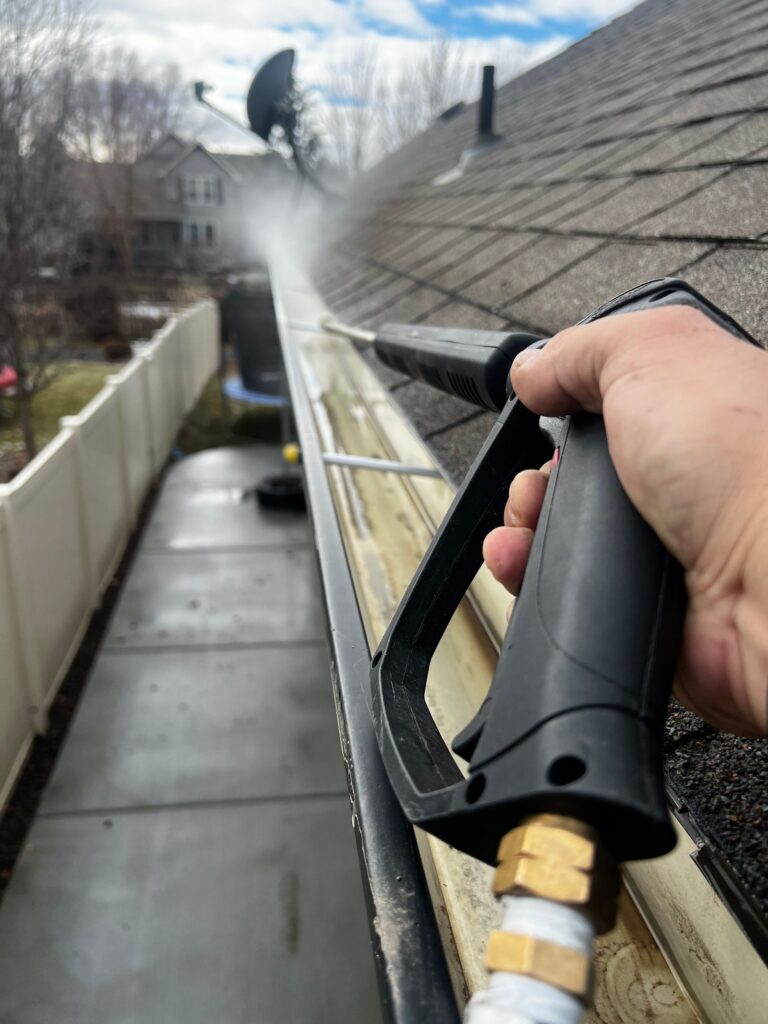
Many roofing companies sell a maintenance plan of their own, usually one or two visits a year on a set schedule. The idea is sound: the same crew sees your roof every visit, so they notice changes year to year, and small repairs get done on the spot instead of waiting for a separate booking. A plan like that can be a good fit, and it can also be a thin excuse for a yearly sales visit, so it pays to read what is actually included before signing.
A solid contractor plan usually includes a full inspection with photos and written findings, gutter and downspout clearing at each visit, debris removal from valleys, sealant touch-ups at pipe boots and flashing, and a post-storm inspection after a major weather event. Some plans include a small repair allowance for minor issues found during the visit. What a plan should not include is a promise that nothing will ever leak, or a vague “priority scheduling” line with no visit dates attached. Ask for the visit months in writing, spring and fall, and ask what happens if a visit finds a repair that costs more than the allowance.
Before you sign, ask these questions. What exactly does each visit include, and will I get photos and a written report? Who does the work, your own crew or a subcontractor? What does the plan cost per year, and what costs extra? What happens after a storm, is a post-storm check included or billed separately? And how do I cancel, and what happens to the prepaid visits if I do? If the company cannot answer those in plain words, keep looking. Our guide to hiring a roof cleaning service covers the same vetting questions for cleaning crews, and the same logic applies here: a written scope, a real crew, and no pressure to decide on the spot.
Costs vary widely by region, roof size, and how many visits the plan includes, so get two or three written quotes before choosing. The cheapest plan is not the best deal if it skips the photo report or the gutter clearing. Compare what each visit actually covers, not just the yearly number. And if a plan is sold as a way to keep a warranty valid, ask to see the warranty language that says so, because warranty terms differ by manufacturer and product line.
Keep a roof log: the record that pays for itself
A roof maintenance plan without a record is just a habit, and habits fade. The record is what turns two inspections a year into a real plan, because it is the only way to know whether a stain is new, a crack is growing, or a repair held. The National Roofing Contractors Association recommends that homeowners start and maintain a historical record of the roof from the time of installation, and that every inspection, repair, and storm gets written into it. That record is also what a warranty claim or an insurance claim will ask for first.
Keep it simple. A folder, paper or digital, with one page per inspection. Each entry needs the date, who did the inspection, what was found, what was fixed, and photos of anything that changed. Add the roof’s age and material, the installer’s name and warranty paperwork, and the name of any contractor who has worked on it. Photograph the same spots each time: the ridge, each valley, the chimney flashing, and the gutters at the corners. A photo from the same spot in spring and fall shows change far better than memory does.
The log also protects you at sale time. A buyer who sees ten years of dated inspection notes and photos trusts the roof in a way no verbal promise can match. And if a warranty claim ever comes up, the log is the proof that the roof was maintained on schedule, which is what most manufacturer warranties ask for.
Repair or replace: how the plan tells you
The plan earns its keep when it answers the hardest question in roofing: keep repairing, or replace the roof. No single inspection settles it, but the pattern across several inspections does. The table below shows the signs to weigh, and the honest answer each one points to.
| What the plan keeps finding | What it usually means | Lean toward |
|---|---|---|
| One or two lifted shingles after a storm, deck sound underneath | Storm damage, not age | Repair, and note it in the log |
| Granules in the gutters every spring, bare asphalt patches showing | The shingle surface is wearing out | Start budgeting for replacement within a few years |
| Flashing leaks at the same chimney or vent twice | The flashing detail is failing, not the roof | Repair the flashing properly, with a pro, before blaming the roof |
| Curled or cracked shingles across several slopes | Age and heat have taken the flexibility out of the shingles | Replacement, since repairs will keep chasing new failures |
| Soft or sagging deck felt from the attic, or daylight through the boards | The deck itself is damaged | Pro assessment right away, and a replacement quote |
| Algae streaks, no other wear | Cosmetic growth, common on shaded slopes | Clean with a soft wash, no replacement |
| Repairs needed every year, in new spots each time | The roof is past the point where repairs hold | Replacement, and stop spending on patchwork |
A good rule to carry into the decision: if the same repair comes back twice, the problem is not the shingle, it is the detail underneath it, and a pro should look at the flashing, the ventilation, or the deck. And if repairs are needed every year in new spots, the roof is telling you it is done. Our broader guide to roof maintenance covers the replacement decision in more depth, including how roof age and material change the math.
Safety rules that shape the whole plan
Every task in this plan is written around one rule: the homeowner works from the ground and the attic, and the roof surface belongs to a trained crew. That is not caution for its own sake. Falls are the leading cause of serious injury in roofing work, and a wet or steep roof is unforgiving even for people who have done it before. The plan stays safe by keeping the homeowner off the roof entirely.
For ladder work, the rules are simple and worth following exactly. IKO’s ladder safety guidance sets the ladder at a 4-to-1 angle, one foot out from the wall for every four feet of height, with the rails extending at least 3 feet above the roof edge or gutter line, and three points of contact while climbing. Never rest a ladder on a gutter as its only support, and never work from the top three rungs of an extension ladder. If the ladder does not feel solid on the first step, stop and reset it.
For anyone who does work on a roof, the federal rule is clear. OSHA standard 1926.501 requires fall protection for workers in residential construction at 6 feet or more above a lower level, using a guardrail, a safety net, or a personal fall arrest system. That rule covers paid crews, not homeowners working on their own house, but the 6-foot line is still the right practical boundary: if a job puts you more than 6 feet up without proper fall protection, hire it out. When you hire a crew, ask whether they use fall protection and whether they carry insurance. A crew that cannot answer that is not a crew to hire.
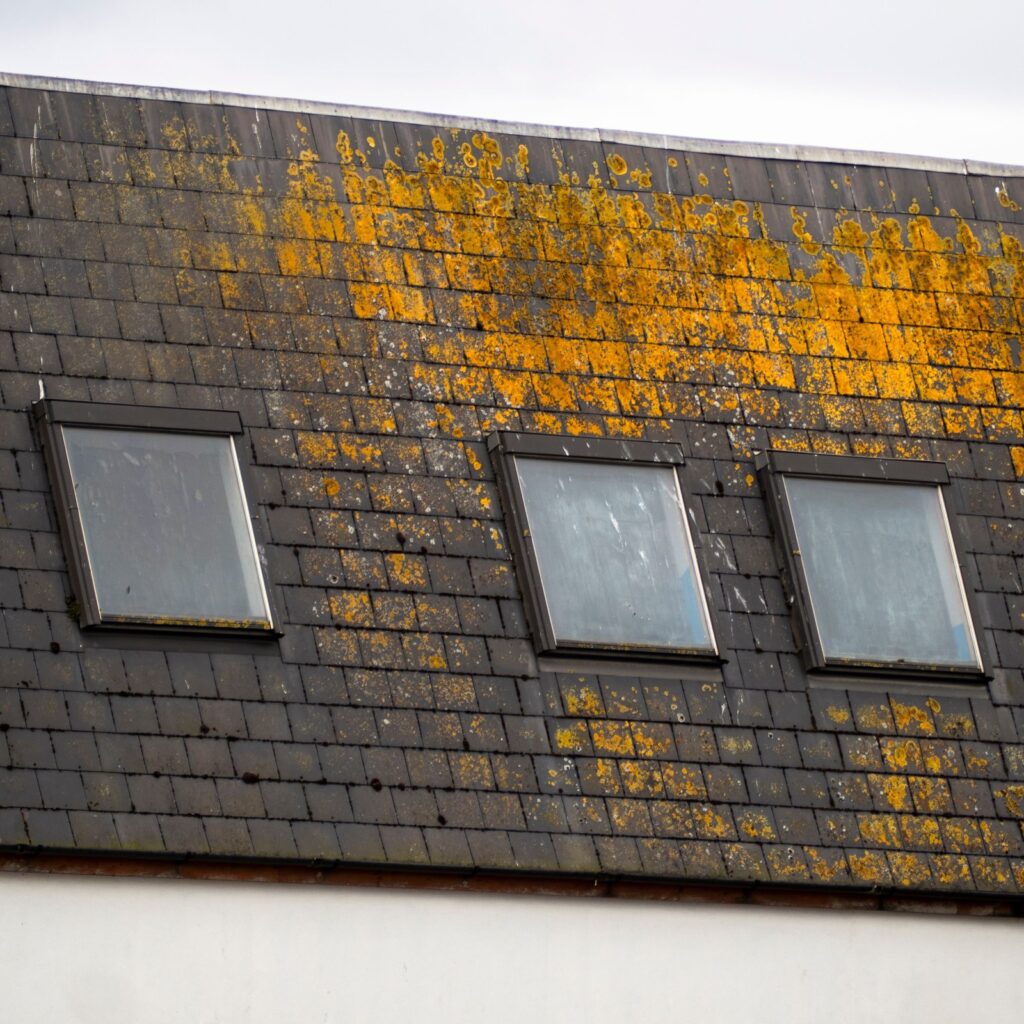
Two more safety notes belong in every plan. First, never walk on a roof in wet, icy, or windy conditions, and never climb onto a roof that has storm damage, since the deck underneath may be weaker than it looks. Second, never pressure wash asphalt shingles. The ARMA bulletin on algae discoloration warns that high-pressure washing is likely to damage asphalt roofing, and it recommends that only trained professionals work on a roof at all. Cleaning belongs in the pro column of the plan, with a soft wash, not a pressure washer.
Questions people ask
Twice a year, in spring and fall, plus a ground-level scan after any major storm. The National Roofing Contractors Association recommends scheduled inspections at least twice per year, and that rhythm is the backbone of this plan. Add a professional inspection once a year for a mid-life roof, and twice a year once the roof passes 15 years.
The DIY half of the plan costs little more than your time, binoculars, and a ladder you already own. A professional inspection and a contractor maintenance plan vary widely by region, roof size, and how many visits are included, so get two or three written quotes and compare what each visit covers, not just the yearly number. A single emergency repair usually costs far more than a year of scheduled maintenance.
Yes, from the ground and the attic. Walk the perimeter with binoculars, check the attic for stains and daylight, and look at the gutters and downspouts. Do not climb onto the roof to inspect it. The parts of an inspection that need walking the roof, checking flashing up close, or testing sealant belong to a professional with fall protection.
Yes, and the first few years matter most. Early inspections catch installation problems while the installer is still responsible for fixing them, and the record you start now is the baseline every later inspection compares against. A new roof with no plan ages the same way an old one does, just more slowly.
The twice-a-year inspection, because everything else flows from it. Gutter cleaning, debris removal, and small repairs only help if something is looking for the problems first. If you do one thing from this plan, put the spring and fall inspections on the calendar and keep the notes.
It can. Many shingle manufacturers expect the roof to be maintained and repaired promptly, and some warranties ask for documented inspections. Keep your roof log with dates and photos, keep the warranty paperwork with it, and check the warranty terms for your specific product before assuming what is covered.
When repairs come back every year in new spots, when granule loss leaves bare asphalt showing across several slopes, or when the deck feels soft or sags. One repair after a storm is normal. A roof that needs a new repair every season is past the point where patching pays, and a pro assessment will confirm it.
Sources
- National Roofing Contractors Association, “A new resource for consumers,” Professional Roofing magazine (scheduled inspections at least twice per year, spring and fall; inspections after severe weather; homeowner roof record-keeping)
- OSHA, 29 CFR 1926.501, Duty to have fall protection (fall protection required for residential construction work 6 feet or more above a lower level)
- IKO, Ladder Safety Inspection Checklist (4-to-1 ladder angle, rails 3 feet above the access level, three points of contact)
- Asphalt Roofing Manufacturers Association, “Algae Discoloration of Roofs” technical bulletin, revised June 2024 (Gloeocapsa magma, bleach and water treatment, no power washer or brush, professional cleaning encouraged)
Last updated: November 11, 2026
