

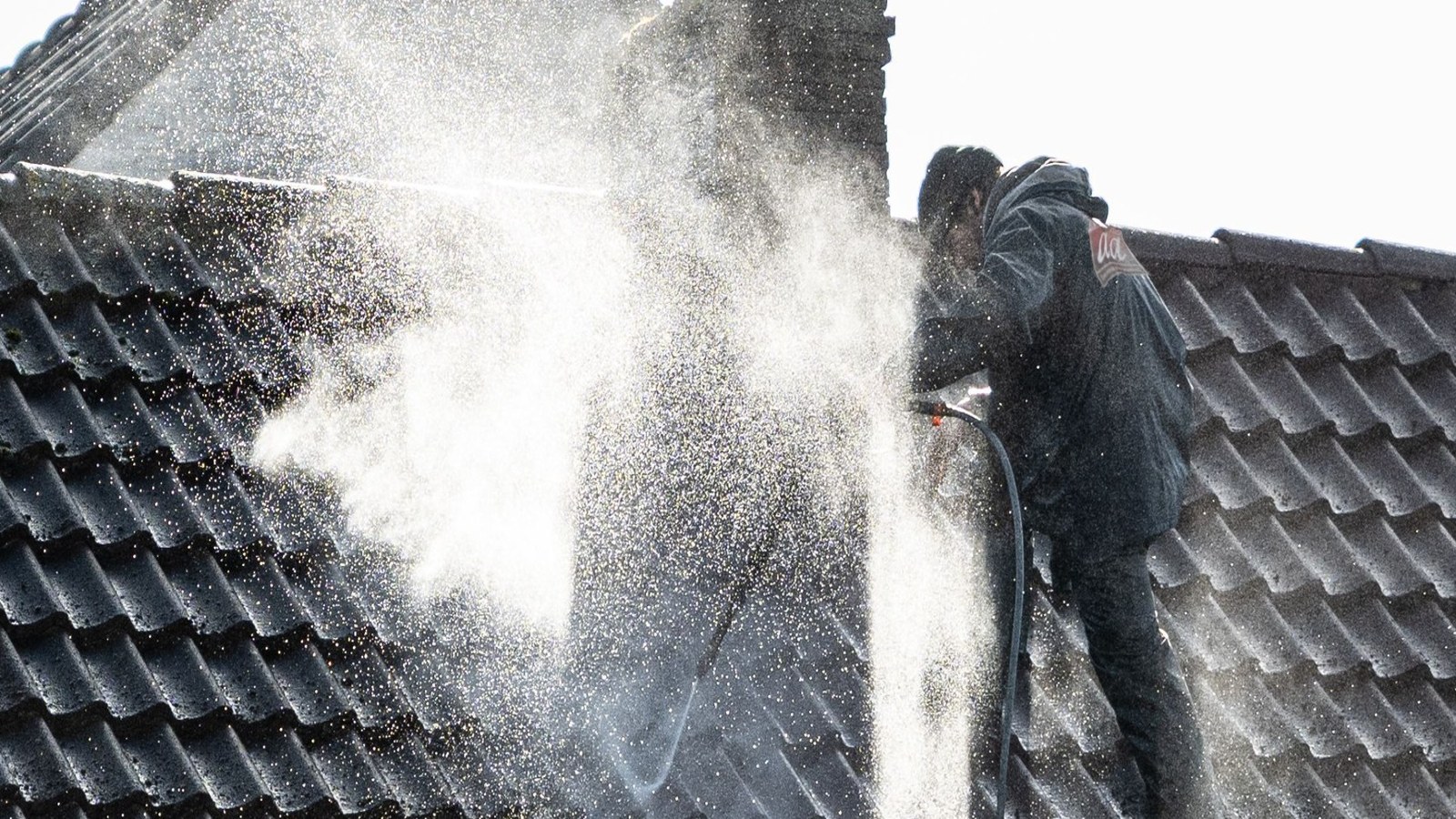
A quote for a roof soft wash can land anywhere from a few hundred dollars to well over a thousand, and the gap is not random. The price follows the size of the roof, how steep it is, what it is made of, and how much algae and moss has built up on it. Two houses on the same street can get quotes hundreds of dollars apart and both quotes can be fair. This guide lays out the 2026 price ranges from the national cost guides, shows how each factor moves the number, and gives you a way to read a quote line by line so you know what you are paying for.
Short answer: A professional soft wash roof cleaning costs about $0.30 to $0.75 per square foot of roof surface, which works out to roughly $400 to $1,000 or more for a typical single-family home. Angi puts the national average for roof cleaning at $461, with most jobs landing between $296 and $626, while a soft wash on a 1,600-square-foot asphalt, clay or concrete roof runs $560 to $900. Small, walkable roofs with light staining sit at the low end. Steep, tall, or moss-covered roofs sit at the high end, and some can pass $1,200.
At a glance
- Per square foot: about $0.30 to $0.75 for a professional soft wash.
- Typical home: roughly $400 to $1,000 or more.
- National average: Angi puts roof cleaning at $461, with most jobs between $296 and $626.
- A 1,600-square-foot asphalt, clay or concrete roof: $560 to $900.
Contents
- What soft wash roof cleaning actually is
- What it costs: the short version
- Cost by roof size
- Cost by roofing material
- What pushes the price up or down
- Soft wash vs pressure wash: the price gap
- What a DIY soft wash costs, and what it risks
- How to read a quote, with a worked example
- Is it worth the money, and how often should you do it
- Ways to pay less without cutting corners
- Questions people ask
- Sources
What soft wash roof cleaning actually is
Soft wash roof cleaning is a low-pressure cleaning method that kills algae, moss and lichen with a cleaning solution instead of blasting them off with force. A crew sprays a diluted sodium hypochlorite solution, usually with a surfactant so it clings, lets it dwell so the chemistry kills the growth at the root, then rinses at low pressure, roughly the force of a garden hose. The solution does the work, not the water pressure.
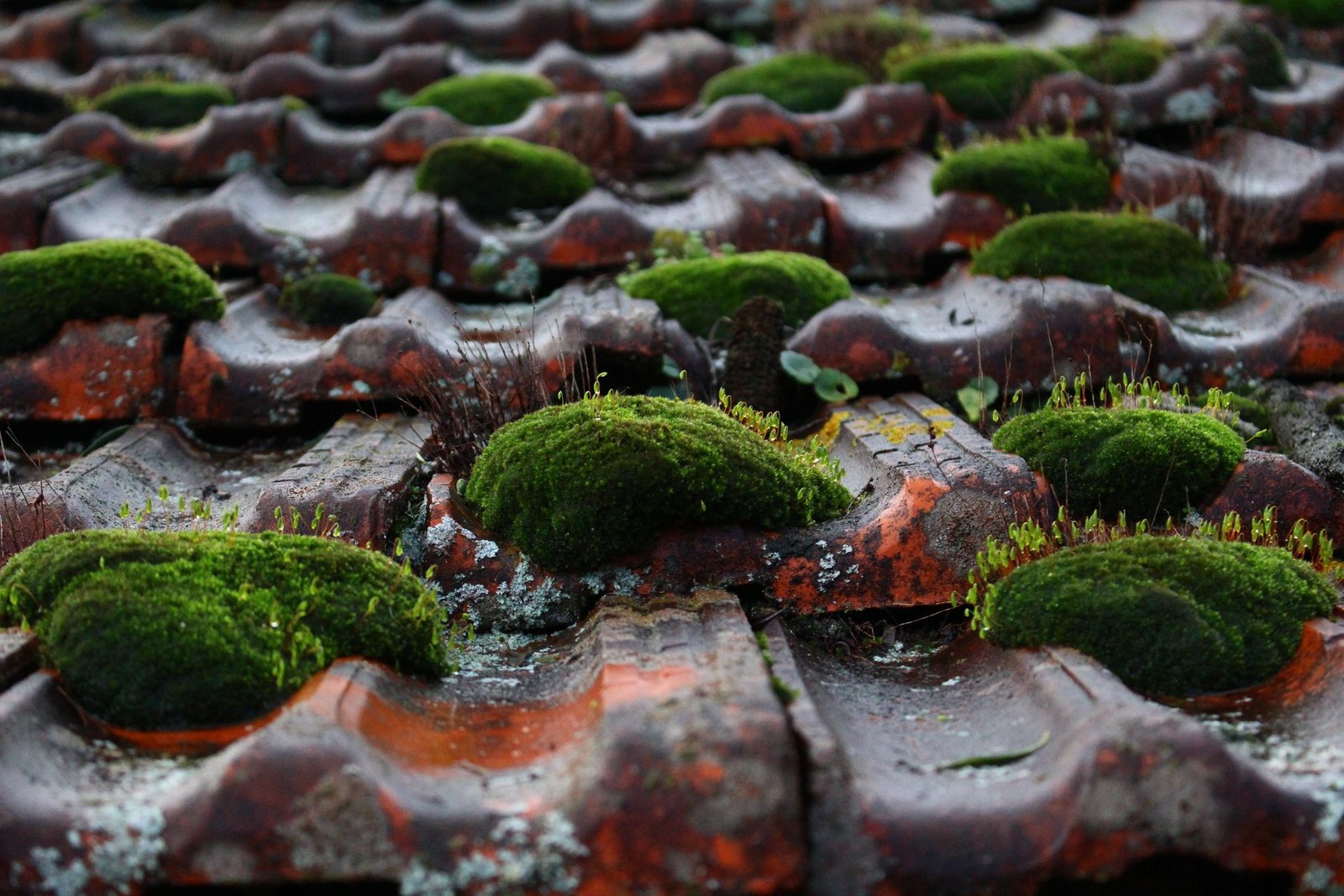
That distinction matters because the black streaks on most roofs are not dirt. They are colonies of a blue-green algae called Gloeocapsa magma, which the Asphalt Roofing Manufacturers Association identifies as the most common cause of roof discoloration. Moss is a separate problem: it holds moisture against the shingles and can lift or curl their leading edges, which raises the risk of wind blow-off. A soft wash kills both organisms. A pressure washer only removes the visible layer and leaves the roots behind, so the growth comes back faster.
The method is also the one the shingle makers stand behind. The Asphalt Roofing Manufacturers Association says plainly never to use a pressure washer on an asphalt shingle roof, because high pressure strips the protective granules and can lead to premature failure. Its guidance for algae is a bleach and water solution applied with a sprayer, left to dwell, then rinsed at low pressure. Our soft wash vs pressure wash guide covers the method comparison in full, while this page stays with the money: what the method costs, and why.
What it costs: the short version
Most homeowners will pay between $400 and $1,000 for a professional soft wash, and the national cost guides agree on the shape of that range even when their exact numbers differ. The table below pulls the main published figures together so you can see where they line up and where they part.
| Source (2026) | Per square foot | Typical total | What it covers |
|---|---|---|---|
| Shamrock Roofing guide | $0.30 to $0.75 | $400 to $1,000+ | Professional soft wash, average home |
| Angi cost data | Not stated per foot | $296 to $626 typical; $461 average | Roof cleaning, all methods |
| Angi, soft wash on 1,600 sq ft roof | About $0.35 to $0.56 | $560 to $900 | Soft wash, asphalt, clay or concrete |
| HomeGuide, via 2026 pricing roundup | $0.40 to $1.00 | $250 to $600 | Roof soft wash, with $150 minimums common |
| Fixr, updated January 2025 | Not stated per foot | $450 to $700 | Washing a roof, typical total |
Two things stand out. First, the per-square-foot rate for a soft wash is consistent across guides at roughly $0.30 to $0.75, with HomeGuide running a little higher at the top end. Second, the totals vary more than the rates do, because a total depends on how big the roof is, and guides measure that differently. Some price by the roof surface, some by the house footprint, and a roof is always bigger than the floor below it. A 2,000-square-foot house usually has about 2,400 to 2,800 square feet of roof surface once pitch and overhangs are counted. If a quote looks high, check which area it was priced on before you judge it.
There is one more number worth knowing before you go further: labor is most of the bill. Angi reports that labor can be as much as 90 percent of the total price, with crews charging $35 to $80 per worker per hour for simple cleanings. That is why two quotes for the same roof can differ so much. The chemicals are cheap. The time on a steep roof, the safety setup, and the crew are what you are paying for.
Cost by roof size
Roof size is the single biggest driver of the total, and Angi publishes a size table that makes the pattern easy to see. The ranges below are for standard, easily accessible roofs, and they cover roof cleaning across methods, so a soft wash will usually sit in the upper half of each band.
| Roof size | Average cleaning cost | What that usually means |
|---|---|---|
| 750 sq ft | $150 to $450 | Small single-story roof, light staining |
| 1,000 sq ft | $200 to $600 | Small home or a single roof section |
| 1,250 sq ft | $250 to $750 | Modest single-story home |
| 1,500 sq ft | $300 to $900 | Average single-story home |
| 2,000 sq ft | $400 to $1,200 | Average two-story home |
| 2,500 sq ft | $500 to $1,500 | Large home, possibly steep or complex |
| 3,000 sq ft | $600 to $1,800 | Large or multi-section roof |
Read the table with one caution. The square footage here is the roof surface, not the living area of the house. If you tell a contractor your house is 2,000 square feet, they will measure a roof that is bigger, and the quote will follow the roof, not the floor plan. Ask every company you call to state the roof area they priced, so you can compare quotes on the same basis. A quote that looks cheap because it was priced on the smaller number is not actually cheap.
Minimum charges also shape the low end. HomeGuide notes that many companies set a $150 minimum for roofs, and small jobs often land on that floor rather than on a per-foot rate. If your roof is small and the staining is light, expect a quote near the minimum, and do not be surprised if the per-foot math does not apply. The crew still has to drive out, set up, and protect the landscaping, and that fixed cost does not shrink with the roof.
Cost by roofing material
The material decides the method, and the method decides the price. Angi prices each method on a 1,600-square-foot roof, including materials and labor, and the spread is wide enough to matter.
| Method | Roofing material | Average cost (1,600 sq ft roof) | Why it costs that much |
|---|---|---|---|
| Soft wash | Asphalt, clay, concrete | $560 to $900 | Chemical cost plus dwell time and plant protection |
| Chemical wash | Tar and gravel, rubber | $450 to $840 | Extra chemicals for heavy buildup |
| Low-pressure wash | Wood, slate | $600 to $1,100 | Gentle methods on fragile, expensive materials |
| High-pressure wash | Metal only | $350 to $700 | Fast, but only safe on metal |
Asphalt shingles are the common case, and they are also the case where the method is not a choice. Pressure washing is reserved for metal roofs, which can take the force. Wood shake and slate need the gentlest approach of all, which is why they cost the most: the crew works slowly, the material is fragile, and a mistake is expensive. Clay and concrete tile sit with asphalt in the soft wash band, though tile brings its own access cost, since the tiles are fragile to walk on and crews often work from ladders or anchors instead.
If your roof is asphalt, which covers most American homes, the $560 to $900 band for a 1,600-square-foot roof is the number to carry into your quote comparisons. It sits above the all-method average because a soft wash takes longer than a pressure wash: the solution has to dwell, the plants have to be protected, and the rinse has to stay gentle. You are paying for the slower, safer method, and on shingles that is the right trade.
What pushes the price up or down
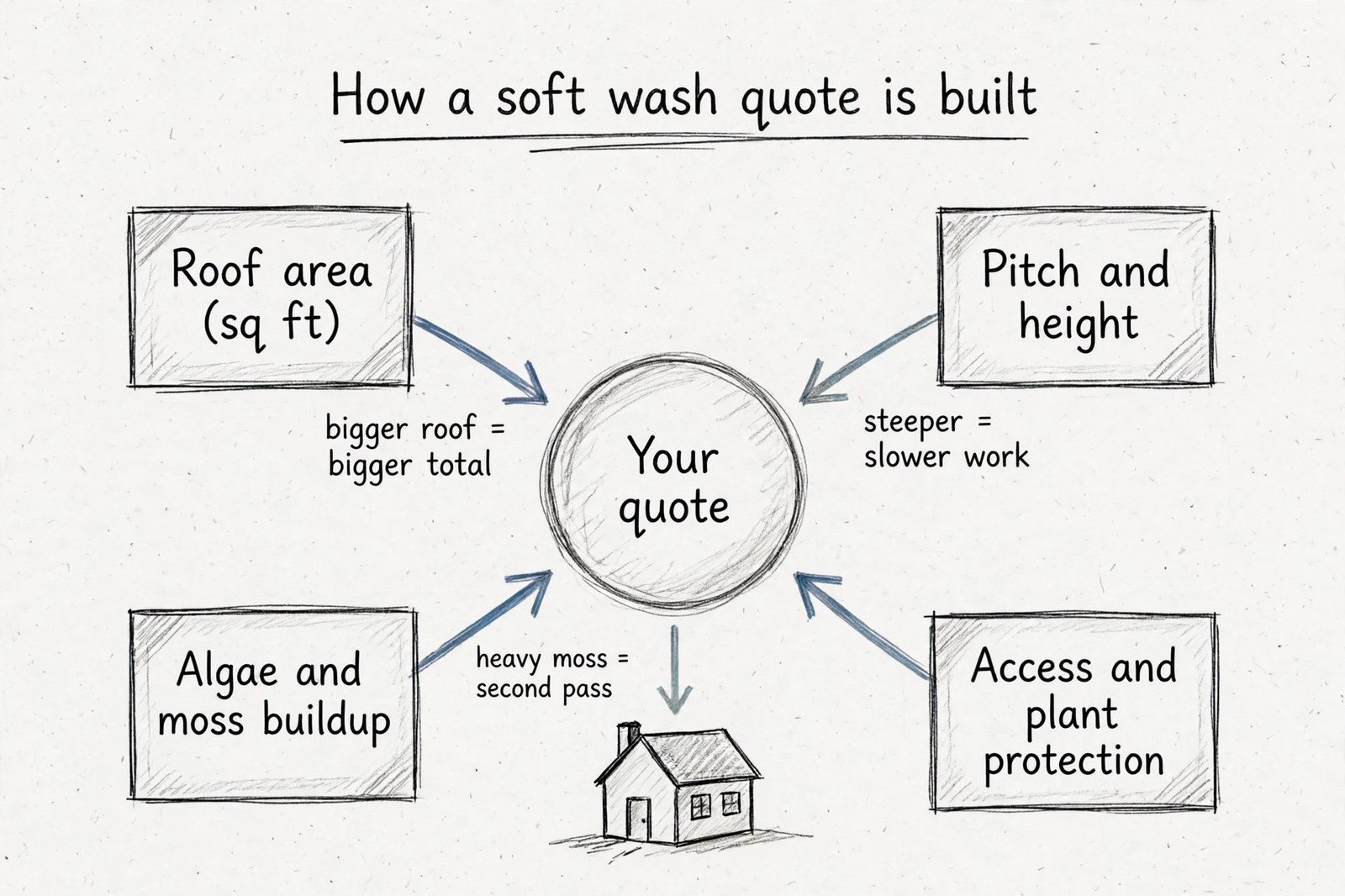
Size sets the starting point. Everything below moves the quote from there, and a roof with several of these factors can cost half as much again as a plain roof the same size.
Pitch. A steep roof costs more than a walkable one. The crew moves slower, the safety setup takes longer, and some sections can only be reached from a ladder. Angi notes that high-angle roofs carry a premium, and a roof that looks simple from the street can be steep enough to add a few hundred dollars.
Stories and height. A two-story home costs more than a single-story home with the same roof area, and a three-story home costs significantly more again. The reasons are access and risk: taller ladders, longer hose runs, and a harder fall if something goes wrong. A flat third-story roof can be an exception, since it is easier to work on than a sloped second-story roof.
How much growth is on the roof. Light algae streaks need one treatment. Heavy moss, thick lichen, or growth that has been building for years can need a stronger mix, a second pass, or a return visit after the first treatment loosens the growth. The Asphalt Roofing Manufacturers Association notes that severe moss may need more than one treatment, so a quote for a heavily stained roof should say whether a second pass is included or billed separately.
Roof shape and access. A simple gable roof is quick to work on. Dutch gables, butterfly roofs, clipped gables, dormers, skylights, and valleys slow the crew down and add edges that need care. Poor access makes it worse: a roof hemmed in by trees, fences, or a steep drop on one side takes longer to set up around.
Region and season. Prices run higher in coastal metros and big cities, where labor costs more, and lower in rural areas. Humid regions also generate more demand, since algae grows faster there, and a busy spring can push prices up while a quiet winter can bring them down. Get your quotes in the same week if you want them to be comparable.
Plant and property protection. A good soft wash includes wetting down the landscaping, covering delicate shrubs, and rinsing the gutters and ground after the treatment, because the cleaning solution can harm plants. That protection is real work, and it is part of what separates a careful crew from a cheap one. If one quote is far below the others, check whether plant protection is in it.
What else is bundled in. Some quotes include a gutter rinse, a debris blow-off, or before-and-after photos. Others charge for each separately. Angi lists gutter cleaning as a common add-on at $120 to $240, so a quote that includes it is worth more than the headline number suggests. Our gutter cleaning cost guide covers that price on its own, and our roof and gutter cleaning guide explains when bundling the two jobs saves money.
Soft wash vs pressure wash: the price gap
A soft wash costs more than a pressure wash on the same roof, and the gap is easy to explain. Pressure washing is fast: a crew points a high-pressure wand at the roof and the visible growth comes off in minutes. Soft washing is slow: the solution is mixed, applied, left to dwell for 15 to 20 minutes, then rinsed gently, and the plants are protected before and after. The chemistry and the time cost more than the water.
| Method | Per square foot | Typical total | Result |
|---|---|---|---|
| Soft wash | $0.30 to $0.75 | $400 to $1,000+ | Growth killed at the root; lasts 2 to 5 years |
| Pressure wash | $0.20 to $0.70 | $350 to $700 on metal | Visible growth removed; regrowth in 6 to 18 months |
The cheaper method is a false economy on shingles. Pressure washing strips the protective granules that shield asphalt from sunlight, and the Asphalt Roofing Manufacturers Association warns it can lead to premature failure. It also leaves the roots of the growth alive, so the stains come back within a year or so, and you pay for the job twice. A soft wash costs more up front and lasts two to five years, because the chemistry kills the organism instead of just moving it. On a metal roof the comparison is different, since metal can take the pressure, and there the faster method can be the sensible buy.
If a contractor offers to pressure wash your asphalt shingle roof at a low price, that is not a bargain. It is a crew using the wrong method, and the savings will show up later as granule loss, a shorter roof life, or a voided warranty. Our roof cleaning service guide covers the questions that separate a proper soft wash crew from one cutting corners.
What a DIY soft wash costs, and what it risks
Doing it yourself saves the labor, which is most of the bill, but the out-of-pocket cost is not zero, and the risks are real. You will need a pump sprayer or a soft wash system, the cleaning solution, gloves, goggles, non-slip shoes, and a stable ladder, plus tarps or plastic to protect the plants. If you already own the sprayer and the ladder, the cash cost is small. If you are buying or renting the gear for one job, the savings shrink fast.
The bigger cost is the risk you take on. Roof work is where falls happen, and a wet, freshly treated roof is slippery. The Asphalt Roofing Manufacturers Association warns that cleaning can make a roof slippery and recommends that only trained professionals work on one. Angi is blunter: it calls DIY roof cleaning incredibly dangerous, even on low-pitched roofs, and says to reach out to professionals before breaking out the ladders.
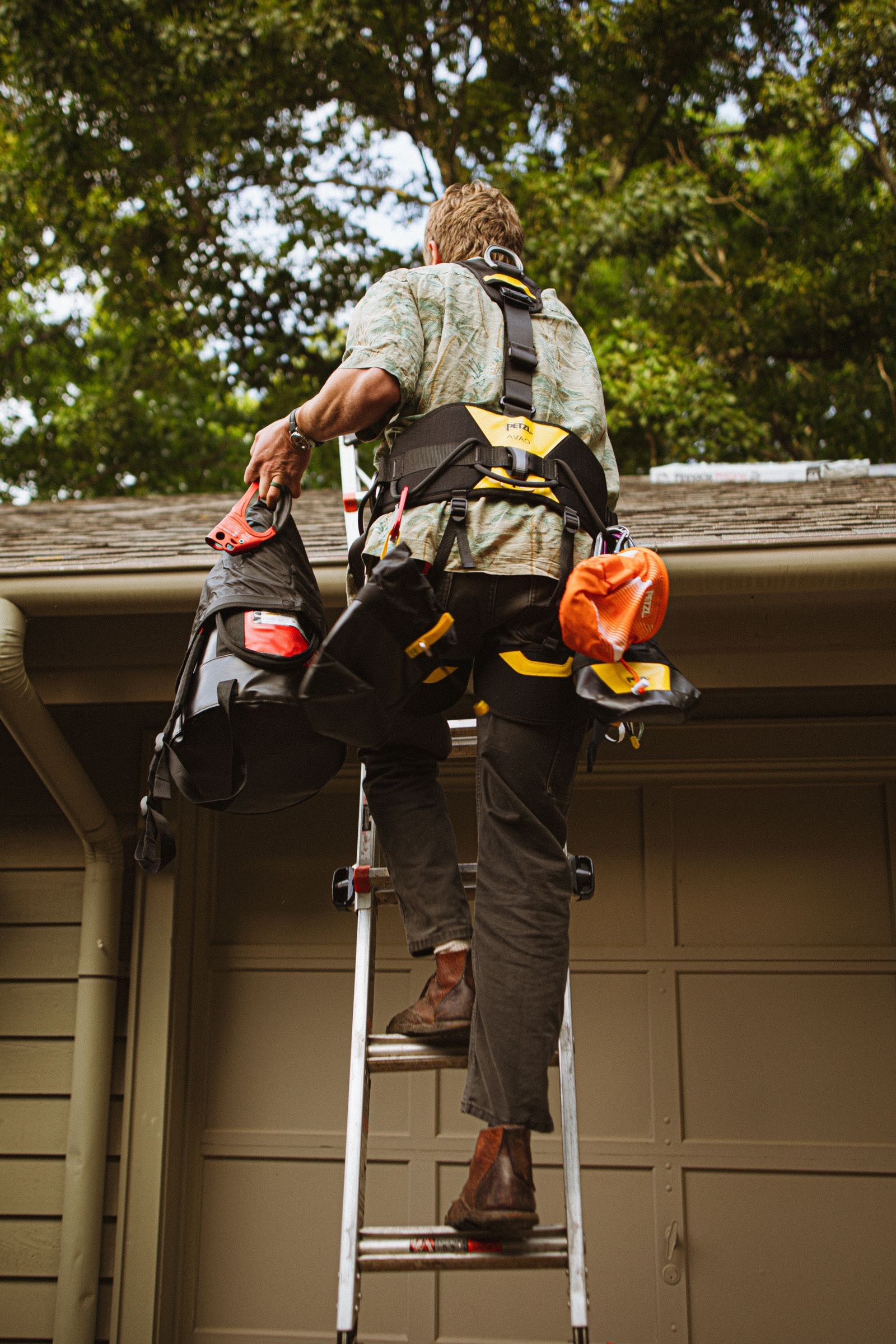
There is also the chemistry to get right. The ARMA method is a bleach and water solution applied with a sprayer, left for 15 to 20 minutes, then rinsed gently with a garden hose at normal pressure, with no scrubbing and no pressure washer. Stronger mixes and longer dwell times do not clean better; they risk damaging the shingles and killing the landscaping. The video below shows a contractor washing a shingle roof with a pump sprayer. Watch it for the technique, the ladder setup, and the way he works from the edges, but note that the mix he uses is stronger than the one ARMA describes, so follow your shingle maker’s guidance on dilution, not a video’s recipe.
DIY makes sense in a narrow band: a single-story, walkable roof, light algae staining, a stable ladder, a spotter on the ground, and a dry, calm day. It does not make sense on a steep roof, a two-story home, a roof with heavy moss, or any roof with curling shingles, soft spots, or leaks. Those are repair issues, not cleaning issues, and a pro will spot them while they are up there. If you are unsure which band your roof falls in, that uncertainty is itself a reason to hire the job out.
How to read a quote, with a worked example
A good quote names four things: the roof area priced, the method, what is included, and what happens if the growth needs a second pass. If any of those are missing, ask before you sign. The worked example below shows how the numbers fit together, using the published ranges in this guide.
Say your house has 1,800 square feet of floor area. The roof surface will be bigger, roughly 2,200 to 2,500 square feet once pitch and overhangs are counted. At the published soft wash rate of $0.30 to $0.75 per square foot of roof, that roof prices at about $660 to $1,875, which is a wide band. Narrow it with the other numbers in this guide: Angi’s size table puts a 2,000-square-foot roof at $400 to $1,200, and its soft wash band for a 1,600-square-foot asphalt roof is $560 to $900. A realistic quote for this house, on a walkable asphalt roof with moderate staining, should land somewhere in the $600 to $1,100 range. A quote far below that should make you ask what was left out. A quote far above it should make you ask what is driving it: pitch, height, heavy moss, or a second treatment.
When you compare quotes, line up the same details across each one:
- Roof area priced. Is it the roof surface or the house footprint? A quote priced on the smaller number is not cheaper, it is just measured differently.
- Method named. Does it say soft wash, with a low-pressure rinse? A quote that only says roof cleaning has not told you the method.
- Plant protection. Are shrubs wetted down and covered, and are gutters and the ground rinsed after? If it is not listed, it may not happen.
- Second pass. If the moss is heavy, is a follow-up treatment included, or billed separately?
- Photos. Before-and-after photos are the only way to check work you cannot see from the ground. Ask for them.
- Insurance and warranty. Is the crew insured, and does the company stand behind the work if the staining comes back quickly?
Get three quotes, and be wary of the outlier in either direction. A quote far below the rest usually means a skipped step: no plant protection, no dwell time, or a pressure washer where a soft wash belongs. A quote far above the rest needs a clear reason, like a steep pitch or a second treatment, stated in writing. Our guide to hiring a roof cleaning service covers the vetting questions in more detail, and our roof maintenance plan shows how often the job fits into a year of roof care.
Is it worth the money, and how often should you do it
Cleaning is worth it when the growth on the roof is doing more than looking bad. Moss holds moisture against the shingles and can lift their edges, and that moisture is what shortens a roof’s life. Algae is mostly a looks problem on asphalt: the Asphalt Roofing Manufacturers Association says there is no scientific evidence that algae deposits affect the performance of asphalt shingles, though the staining is real and it spreads. So the case for cleaning a mossy roof is stronger than the case for cleaning a lightly streaked one, and the case for cleaning before you sell the house is stronger than either, since a stained roof is one of the first things a buyer sees.
On frequency, the guides differ because they measure different things. Shamrock Roofing suggests every one to two years for a soft wash, sooner if the roof sits under heavy shade or in a humid area. Angi suggests every five to ten years for roof cleaning in general, with more frequent cleaning for old wood roofs under trees or near the coast. The gap makes sense once you see it: a soft wash is light maintenance you repeat often, while a full cleaning is a bigger job you do when the roof needs it. In a humid, shaded spot, plan on the shorter interval. In a dry, sunny spot, the longer one is fine. Either way, watch the roof, not the calendar: dark streaks spreading, green patches thickening, and moss at the edges are the signs that the next cleaning is due.
Weigh the cost against the alternative, which is not zero. A roof left dirty does not stay the same price to fix. Moss that lifts shingles lets water in, and water that gets in becomes a repair bill. Regular cleaning is inexpensive maintenance next to the cost of replacing shingles early or fixing a leak, which is the point Shamrock makes and the reason a maintenance plan that includes cleaning is cheaper than reacting to damage. For the full picture of what a year of roof care looks like, see our roof maintenance guide.
The prices above are only half the story: the full roof cleaning guide compares the methods by roof type and explains when a cleaning is the wrong call.
Ways to pay less without cutting corners
There is not much room to negotiate the labor, since it is most of the bill, but there are honest ways to bring the total down.
Clean before the growth gets heavy. A roof with light streaks needs one light treatment. A roof with thick moss may need a second pass, and that second pass is a second charge. Booking the cleaning when the staining first shows, rather than years later, is the cheapest decision in this guide.
Bundle the gutters. The crew is already at the roofline, so adding a gutter cleaning to the same visit costs less than booking it separately. Angi lists gutter cleaning at $120 to $240 as an add-on, and bundling usually comes in below the standalone price for both jobs. Our guide to cleaning roof and gutters together walks through the bundle.
Book in a quiet week. Roof cleaners are busiest in spring and after storm season. A booking in a slower week can be cheaper, and the crew has more time for your roof. Ask what the off-season rate looks like before you commit to a spring date.
Keep the trees back. Shade and damp are what feed algae and moss. Trimming branches that hang over the roof keeps the surface drier and stretches the time between cleanings, which is a saving that repeats every year.
Do not buy the cheapest quote blind. A quote that skips plant protection, dwell time, or the right method is not a saving. It is a roof that will need cleaning again sooner, or shingles that lost granules they will not get back. The cheapest safe quote is the one that names the method, protects the landscaping, and includes a second pass if the growth needs it.
Questions people ask
About $0.30 to $0.75 per square foot of roof surface, or roughly $400 to $1,000 or more for a typical single-family home. Angi puts the national average for roof cleaning at $461, with most jobs between $296 and $626, and a soft wash on a 1,600-square-foot asphalt, clay or concrete roof at $560 to $900.
It depends on whether the 2,000 figure is the house or the roof. If it is the roof surface, Angi’s size table puts the job at $400 to $1,200. If it is the house floor area, the roof is bigger, roughly 2,400 to 2,800 square feet, so at $0.30 to $0.75 per square foot the range runs about $720 to $2,100 before pitch and growth are counted. Ask the contractor which area they priced.
Because the chemistry and the time cost more than the water. A soft wash needs a cleaning solution, dwell time of 15 to 20 minutes, plant protection, and a gentle rinse, while a pressure wash is a fast blast. Pressure washing runs about $0.20 to $0.70 per square foot, but it strips granules from asphalt shingles and leaves the growth’s roots alive, so the stains return faster and you pay for the job twice.
Usually not. Most quotes cover the roof surface only, and gutter cleaning is an add-on at about $120 to $240, according to Angi. Ask for the bundle price when you get the quote, since adding gutters to the same visit is usually cheaper than booking them separately.
Every one to two years for most homes, sooner if the roof is shaded, damp, or in a humid area, according to Shamrock Roofing. Angi gives a broader five-to-ten-year interval for roof cleaning in general. Treat the shorter interval as the plan for a soft wash in a humid or shaded spot, and watch for spreading streaks and thickening moss rather than waiting for a date on the calendar.
You can, and it saves the labor, which is most of the bill. The ARMA method is a bleach and water solution applied with a sprayer, left for 15 to 20 minutes, then rinsed gently with a garden hose, with no scrubbing and no pressure washer. The risk is real, though: wet roofs are slippery, falls are the main danger of this job, and a strong mix can damage shingles and kill plants. It makes sense on a single-story, walkable roof with light staining. On a steep or two-story roof, hire it out.
No, when it is done the way the shingle makers describe. A soft wash uses low pressure and a cleaning solution, which is the method the Asphalt Roofing Manufacturers Association recommends for asphalt shingles. Pressure washing is what damages shingles and voids warranties, because it strips the protective granules. Check your shingle warranty before any cleaning, and keep the quote and the method in writing.
Sources
- Angi, How Much Does Roof Cleaning Cost? (2026 data, updated October 26, 2026)
- Shamrock Roofing, Soft Wash Roof Cleaning: How It Works (updated June 9, 2026)
- Lucid Bots, How to Soft Wash a Roof: Professional Guide (2026)
- Local Service Scale, Pressure Washing Pricing Guide (2026), citing HomeGuide and Angi
- Chalk, How Much to Charge for Roof Cleaning (Soft Wash), citing Fixr and ARMA
- Indy Roof and Restoration, Roof Cleaning: What It Is, Methods and When It Is Worth It (updated October 31, 2026), citing ARMA and Owens Corning
- RoofScour, Black Streaks on Roof Shingles: How to Remove Roof Algae, citing ARMA
Last updated: November 12, 2026.
