

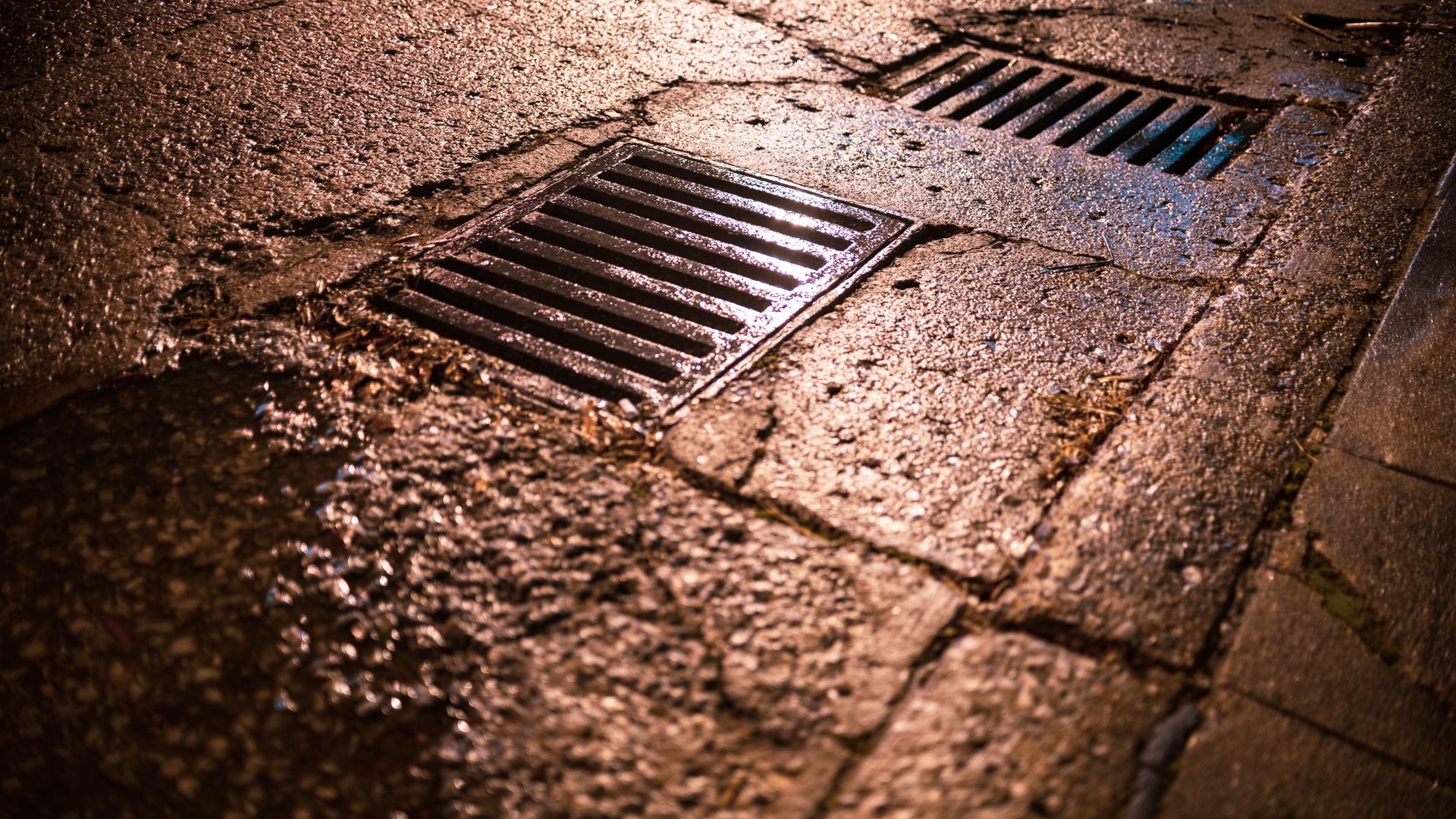
A puddle on your driveway is a message, not just a mess. Driveway pooling is what happens when rainwater or runoff collects on pavement that has no working path off of it. The slope is wrong, a section has sunk, or something upstream keeps delivering more water than the surface can shed. The good news: where the water sits usually tells you exactly why it is there, and the fix follows from the cause.
I have walked plenty of driveways after a storm, chalk in hand, and the pattern almost never lies. A puddle in the same spot every time means something different from water along the garage edge, and both mean something different from a pond at the curb. This guide helps you read your own driveway the same way, run two quick tests that pin down the cause, and pick a fix that solves it instead of just moving the water somewhere else.
What your puddle’s location tells you
Before you buy anything or dig anything, look at where the water settles. Nine times out of ten, the location names the cause.
| Where the water sits | What it usually means | First thing to check |
|---|---|---|
| Same spot in the middle of the drive, every storm | A low spot where a slab section has settled | The string-line test below |
| Thin sheet along one edge after heavy rain | Slope flatter than about 1 to 2 percent, or the yard edge sits higher than the pavement | Which way water runs with a garden hose test |
| Pond at the apron where the drive meets the street | Sunken apron slab, or a clogged storm drain or curb holding water back | The street gutter and the slab edge |
| Creeping toward the garage or the house | Negative slope toward the structure | Stop reading and fix this first (see red flags below) |
| Right below a downspout outlet | Roof runoff overwhelming that one spot | Where the downspout discharges |
| Scattered spots that come and go | Clogged channel drain, leaves, or bed edging damming the flow | Grates, inlets, and edging |
| Water sitting on top of a drain grate | The drain is packed with sediment or the outlet is blocked | Clean the grate, then find where the pipe exits |
If water flows toward your garage or foundation, treat that as urgent. Every storm that pushes water against the structure is a basement and foundation problem waiting to happen, not just a driveway problem.
Two quick tests that reveal the cause
You do not need special tools for either of these. A piece of chalk, a long straight board or level, and the next good rain are enough.
The 48-hour rule. After the rain stops, watch the clock. A properly drained driveway sheds its water within hours. If a puddle is still sitting there a day or two later, the water has no way out. That single observation rules out “it just rained hard” and tells you the problem is in the driveway itself, not the sky.
The chalk-and-hose test. Wait for a dry day. Mark the outline of the usual puddle with chalk. Then run a garden hose at the top of the driveway for a few minutes and watch where the water goes. If it runs into your chalk outline and stops there, you have a defined low spot, which means settlement or a flat section. If it sheets everywhere and never picks a direction, the whole slope is too flat. If it runs toward the garage, you have negative drainage and that outranks everything else on your list.
A quick measurement adds confidence. A common industry target is about 2 percent of fall, roughly a quarter inch of drop per foot of driveway, according to the driveway pooling guide from EngineerFix. Lowe’s yard drainage guide gives similar guidance for ground around the home: about 2 to 3 inches of fall every 10 feet, directed away from the structure. Below that range, surface tension and tiny imperfections in the concrete are enough to hold puddles in place.
Why puddles form: the usual causes, most common first
1. The slope is too flat, or it runs the wrong way. This is the number one cause and it is usually baked in from the day the concrete was poured. A driveway needs a consistent, gentle fall so water keeps moving. Concrete crews sometimes pour a drive nearly level to make the garage transition smooth, and it looks fine until the first heavy rain. On older drives, even a correct original slope can effectively disappear as the surrounding yard builds up with mulch, soil, and edging that trap water at the pavement’s edge.
2. A section has settled. Soil beneath the slab shifts and washes out over time, and the concrete drops into the gap. Once a low spot forms, it catches more water, and that water washes out more of the base, which deepens the spot. It is a slow feedback loop. Standing water can saturate the soil and wash fine material out of the base, as the concrete cracking guide from TrustDale explains, and soil settlement or tree roots can shift one part of the driveway while the rest stays put. If your chalk outline keeps growing year after year, settlement is the likely story.
3. Downspouts are feeding it. A roof collects an enormous amount of water, and a downspout that empties straight onto the driveway delivers all of it to one small area. No reasonable driveway slope can handle that. Roof runoff is one of the biggest contributors to driveway pooling, and the fix is one of the cheapest: downspout extensions that discharge onto a permeable surface, like a lawn or garden bed, at least six feet from the driveway apron. Our guide on how far downspouts should drain from the house walks through the distances in detail.
4. The street or curb sends water back. Water pooling at the apron, where the driveway meets the street, often starts off your property. A clogged storm drain, a curb that sits higher than expected, or a street graded toward your driveway can all push water back onto the apron faster than it can leave. This one is worth a look before you spend a dollar on your own property, because a ten-minute check of the street gutter sometimes explains everything.
5. The yard sits higher than the driveway. When the lawn, a planting bed, or a walkway edges above the pavement, runoff flows across the yard and parks on the concrete. Raised edging and beds can trap water that used to drain freely. If your puddle forms along the side where the yard meets the drive, walk the edge and look for spots where soil or edging creates a dam.
6. The drains you have are not working. Channel drains clog with leaves, catch basins fill with sediment, and underground outlets get crushed or blocked. A drain that cannot discharge is just decoration. If you have a buried drain, find where the pipe exits. A pipe that disappears underground with no visible outlet may be clogged, crushed, or going nowhere.
What standing water actually does to a driveway
A puddle that evaporates in a day is mostly an annoyance. A puddle that sits for days, storm after storm, is doing real damage.
In cold weather, water trapped in cracks expands as it freezes, widening the cracks and forcing the pavement apart. EngineerFix notes that this freeze-thaw cycle rapidly compromises the driveway’s structure. The same water seeps under the slab and washes away the supporting soil and aggregate, a process called sub-base erosion. Undermined sections of pavement lose support and start to sink or collapse, which deepens the pooling, which accelerates the erosion. That loop is why a small persistent puddle is worth fixing early.
On the surface, constant moisture speeds up spalling and flaking, feeds the dark staining and biological growth that make concrete look old before its time, and turns into a sheet of ice in winter. Standing water is also a plain slip hazard. If your driveway keeps developing dark patches in the same damp spots, pooling water is often the reason.
Fixes you can handle on a weekend
Start with the cheap and reversible stuff. More than a few “drainage problems” turn out to be maintenance problems.
Clear everything that carries water. Clean gutters and downspouts (Lowe’s suggests twice a year, more often under trees), lift channel drain grates and scoop out the sediment, and check the street storm drain inlet near your apron. Also look at the bed edging along the drive. Edging that sits proud of the pavement traps runoff on the concrete; trimming it down or adding gaps where water should cross can free up a surprising amount of flow.
Extend your downspouts. This is the highest-value ten-dollar fix in driveway drainage. Extensions and splash blocks move roof water off the pavement and onto the yard where it can soak in. Point them at least six feet from the driveway apron onto a permeable surface, and make sure the landing spot slopes away from the house so you are not trading a driveway puddle for a foundation problem.
Seal small cracks promptly. Water that gets into cracks reaches the base, and the base is what holds your driveway up. Filling minor cracks with a flexible concrete crack filler keeps water on the surface, where the slope can deal with it. This does not fix settlement, but it slows the damage while you plan the real repair.
Fix what feeds the puddle, not just the puddle. If the yard sits higher than the drive, pull back soil and mulch along the edge so water can cross instead of damming. For sheet flow running across the lawn toward the driveway, a shallow swale in the grass, a broad U-shaped channel lined with grass or stone, can redirect the water toward a suitable discharge point without any buried pipe.
One safety note before you dig anything, even a shallow swale: call 811 to have underground utilities marked. It is free, it is the law in most places, and a severed cable or gas line turns a weekend project into something much worse. And whatever you redirect, never send your water onto a neighbor’s property or into a creek without checking with your local authorities first. Moving a drainage problem is not solving it.
Fixes that usually need a contractor
When the cause is structural, a bad grade, a sunken slab, or a missing drain, the fix needs equipment and experience. Here is how the common options compare.
| Fix | Best when | What it involves | Relative cost |
|---|---|---|---|
| Channel (trench) drain across the apron | Water ponds where the driveway meets the street | A linear grated drain cut into the pavement, piped to a storm sewer or a safe yard outlet | Moderate |
| Catch basin at a low spot | Pooling collects in one defined area | An in-ground box with a grate that funnels water into a buried pipe | Moderate |
| French drain along the driveway edge | Water seeps in from the lawn or below the surface | A gravel trench with a perforated pipe wrapped in filter fabric, intercepting groundwater | Moderate to high |
| Slab lifting with polyurethane foam | Panels have settled but are still sound | Expanding foam injected through small drilled holes raises the slab back to grade | Moderate |
| Partial or full replacement | Panels are cracked through in multiple directions or keep moving | Saw-cutting the failed section and pouring new concrete at the correct pitch | High |
| Regrading around the structure | The drive slopes toward the garage or foundation | Reshaping soil and sometimes the pavement edge so water runs away from the building | Moderate to high |
A few notes on choosing. A channel drain is the classic answer for apron pooling because it sits exactly where the water collects and gives it an immediate exit. A French drain answers a different question: it handles water coming from the side or below, not sheet flow across the surface, so it will not fix a flat slab on its own. Slab lifting works when the concrete itself is sound and just needs to be back at grade; it cannot fix a panel that is fractured or still moving. And if panels are badly broken or the base has failed, patching and lifting are money spent twice, replacement is the honest answer.
If any fix ties into a public storm drain or discharges beyond your property line, check with your city or county and your HOA first. Many municipalities regulate or prohibit private connections to their storm systems, and the permit question is much cheaper than the fine.
When this stops being a DIY project
Call a concrete or drainage contractor when any of these show up:
- Water runs toward the garage or foundation. This is the one that can turn into a five-figure basement repair.
- Slab sections rock underfoot, are cracked through in multiple directions, or have a vertical offset between panels that creates a trip hazard.
- The pooling gets visibly worse every year, which means active settlement.
- The fix requires tying into municipal storm infrastructure or major regrading.
- You are unsure where the water goes after it leaves your property. A contractor can map the discharge path so you do not create a problem downstream.
When you get estimates, get at least three, and ask each contractor to name the cause they are fixing, not just the product they are selling. A quote that says “install channel drain” without saying why the water pools is a guess with a price tag. Our concrete driveway maintenance guide has more on what to compare between estimates.
Keeping it dry after the fix
Drainage is maintenance, not a one-time project. Clean the gutters before the rainy season, check drain grates each spring and fall, and keep downspout extensions in place after mowing season. After the next big storm, walk the driveway with your chalk again. New puddles in new places are early warnings, and they are always cheaper to address than old ones.
Sealing the concrete every few years helps too. A good sealer keeps surface water from soaking into the pores and slows the freeze-thaw damage that opens cracks in the first place. And if the dark, damp look keeps returning in the same spots even after the drainage is fixed, that is a cleaning problem, not a drainage problem, and it has its own solutions.
Frequently asked questions
A thin sheet of water right after a heavy downpour that drains away within a few hours is normal. A defined puddle that is still there a day or two later is not. The 48-hour rule is a simple dividing line: lingering water means the driveway cannot move water off itself, and the cause is worth finding.
Please do not. A drilled hole lets water straight into the base, which is exactly the layer you need to keep dry. It speeds up the sub-base erosion that causes settlement, so the puddle comes back bigger. Fix the grade or add a drain instead.
They solve different problems. A channel drain collects surface water where it ponds, so it fits pooling at the apron or across the drive. A French drain intercepts water moving through the soil from the side or below, so it fits seepage from the lawn. Many driveways with real drainage problems end up with one of each, doing different jobs.
A common industry target is about 2 percent of fall, roughly a quarter inch of drop per foot, moving water away from the house toward the street or a drain. Ground around the home is often graded at 2 to 3 inches of fall every 10 feet. Below that range, even small imperfections in the concrete can hold puddles.
It depends on where the problem sits. A sunken apron slab on your side is usually the homeowner’s responsibility, while the street gutter and storm drain typically belong to the city or county. Rules vary by municipality, so when the water seems to come from the street side, call your local public works office before hiring a contractor.
Often, yes. If the panels are sound and have simply dropped, polyurethane foam injection can lift them back to grade through small drilled holes. If the concrete is cracked through in multiple directions, keeps moving, or the base has failed, replacement is the more durable answer. Sealing or resurfacing over a moving slab hides the evidence without fixing the cause.
Sources
- Lowe’s guide to solving yard drainage problems: slope guidance for grading around the home, trench and channel drains for patio and driveway pooling, downspout extensions, calling 811 before digging, and keeping runoff off neighboring property.
- EngineerFix guide to fixing water pooling at the end of a driveway: the 2 percent slope target, downspout discharge at least six feet from the apron, swales, crack sealing, channel drains, catch basins, French drains, freeze-thaw and sub-base erosion damage, and checking local regulations before connecting to public storm infrastructure.
- TrustDale guide to why concrete driveways crack: how standing water saturates soil, washes fine material from the base, and worsens freeze-thaw movement; when slab lifting fits and when replacement is the honest answer.

2 Comments
Pingback: Why Is My Concrete Driveway Turning Black? Causes & Fixes
Pingback: Fall Exterior Home Maintenance Checklist: 35 Tasks Before Winter