

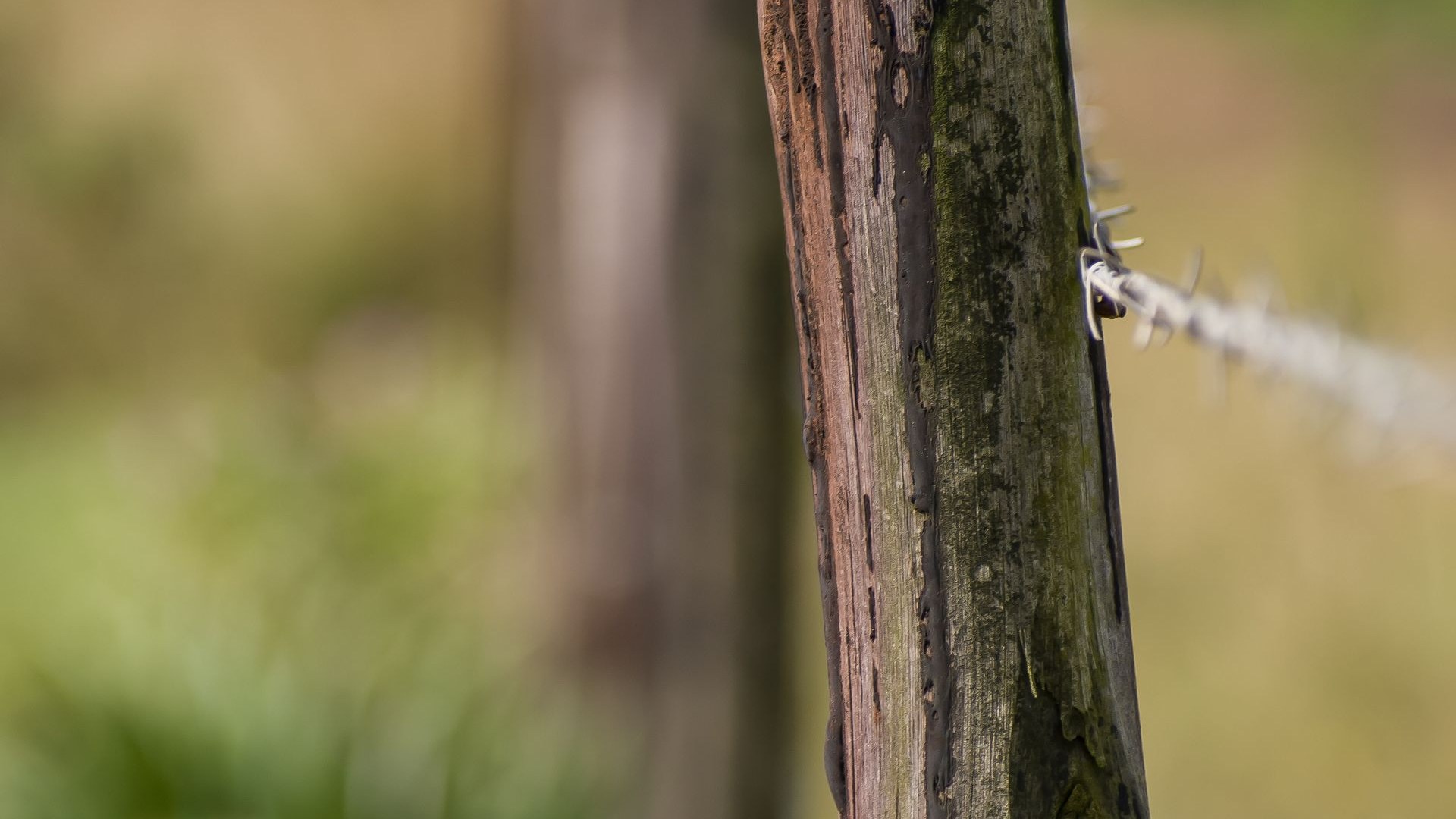
A wood fence turns green for one of three reasons: algae growing on the damp surface, mildew feeding on moisture and grime, or the copper-based preservative showing through in new pressure-treated wood. On any fence older than about a year, algae is the most likely answer. The giveaway is where the green sits and how it feels under your finger, and the symptom map below sorts that out in about two minutes.
Keep reading for the five-lookalike decision table, three quick tests you can run in daylight, the damp conditions that invite the green, and the prevention habits that keep it off.
Last updated: October 18, 2026
On this page
- Is it growth, or is it the wood itself?
- Three quick tests in daylight
- Why fences turn green: the damp recipe
- When green is a warning sign
- Keep the green off your fence
- What comes after the diagnosis
- DIY or call a pro?
- Frequently asked questions
- Sources
Is it growth, or is it the wood itself?
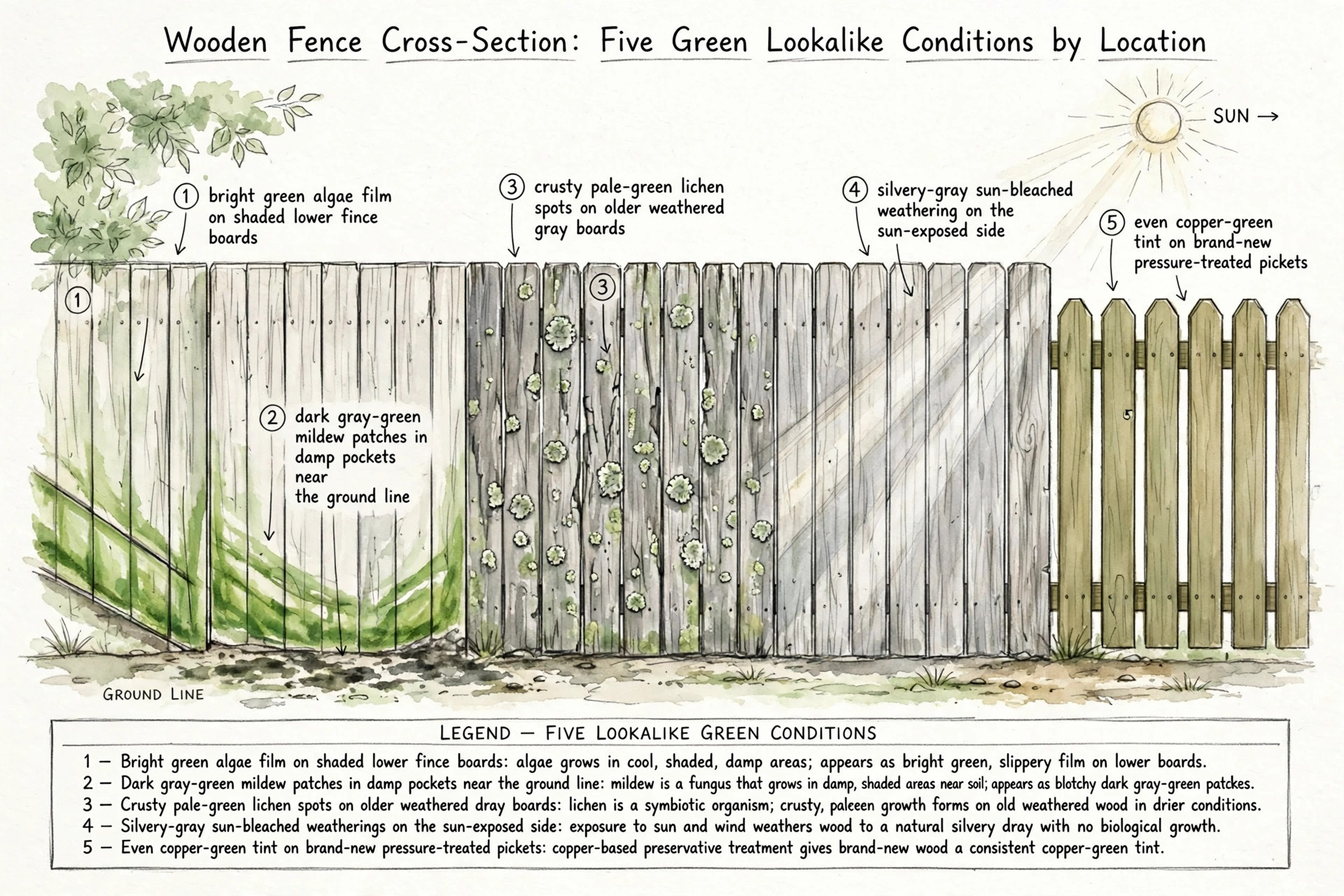
Not every green fence is growing something. A new pressure-treated fence can look faintly green straight from the lumberyard, and that is chemistry, not biology. Everything older is usually biology: algae, mildew, or the slower crusty growths called lichens. The table below tells them apart by what you can see and touch.
| What you see | Most likely cause | Where it sits | The giveaway |
|---|---|---|---|
| Bright green film, sometimes slimy or slick | Algae | Shaded boards, north-facing runs, low boards near damp soil | Smears green on a damp rag; comes back to the same shady spots after cleaning |
| Dark gray-green blotches, fuzzy or velvety | Mildew | Damp pockets: near the ground line, behind shrubs, where sprinklers hit | Fuzzy texture you can see up close; wood finish maker Perma-Chink notes that if the growth is green, it is probably algae, while mildew runs white, gray, or black and is really a type of mold |
| Crusty pale-green or sage patches with hard edges | Lichen | Older, weathered boards; fence tops and rails that dry fast | Feels dry and crusty, not slimy; grows very slowly, often on wood that is already gray |
| Even silvery-gray color, no green tint at all | Weathering, not growth | Sun-exposed faces, worst on south and west runs | Uniform color change; fence maker Jacksons Fencing describes this as the natural end stage of weathering, sunlight and air turning golden-brown timber to a silver-gray patina |
| Even greenish cast across the whole board | Copper in pressure treatment | New fences, less than a year old | Covers every board evenly, including spots that never get damp; fades on its own with sun and weather |
Algae deserves a closer look because it causes most cases. Algae is a simple plant-like organism, and on a fence it is not eating the wood. It feeds on the thin film of dust, pollen, and moisture sitting on the surface, which is why it favors the slow-drying, shaded boards and skips the sunny ones. The same growth logic applies to decks, and how to identify green growth on a deck walks through the same identification tests on a horizontal surface if you want a second opinion.
Mildew is the one people confuse with algae most often, and the distinction matters because mildew signals a damper setup. Perma-Chink’s mold and mildew guidance for wood surfaces treats mildew as simply a type of mold, and notes that molds need air, water, and food, which a shaded fence with grime provides in abundance.
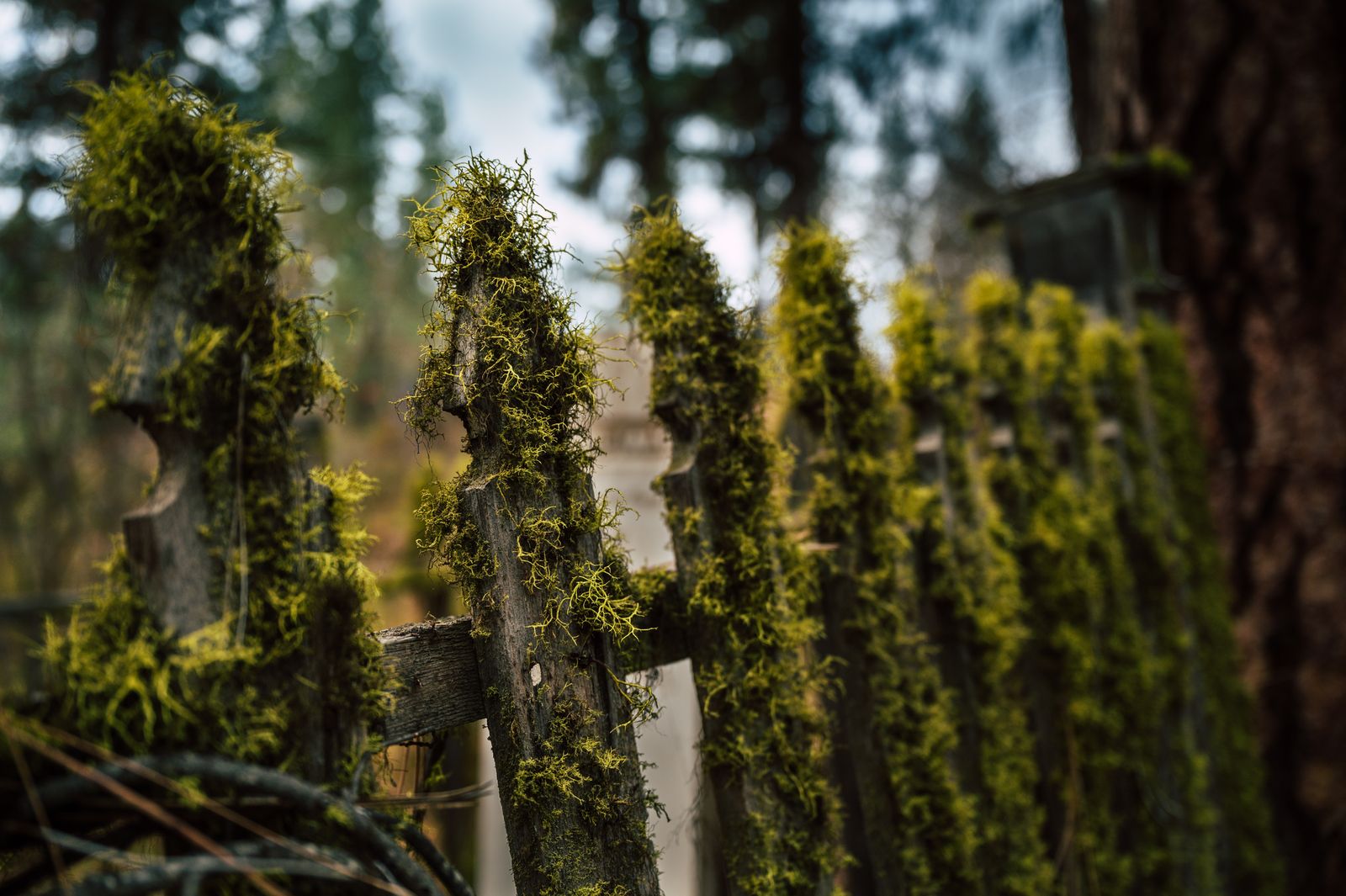
Lichen is the slow, harmless one. It shows up as crusty pale-green discs on old weathered boards, grows almost imperceptibly, and does not feed on the wood. Gray weathering confuses people because the silver patina can carry a faint green cast in its first year, but it is just sunlight and air doing their work, and many owners choose to let a fence go gray on purpose.
The last lookalike is the only one that is part of the wood itself. Modern pressure-treated lumber uses copper-based preservatives, and the copper leaves a greenish cast on new boards. Jacksons Fencing’s guide to how fence panels change color explains that this greenish tint is temporary and fades as the fence is exposed to sunlight and air, usually giving way to a golden-brown phase first. If every picket is evenly green and the fence went up within the last year, you are looking at treatment, not trouble.
Three quick tests in daylight
You do not need a lab kit. Three simple checks, done on a dry afternoon, will confirm which row of the table you are dealing with.
- The wipe test. Rub a damp white rag over the stain. Algae smears green onto the cloth and the board underneath looks fine. Mildew smears gray-green and looks fuzzy under a close look. Lichen and weathered gray do not smear at all.
- The fingernail test. Press your thumbnail into the green area. Algae feels slick or slimy and flakes off easily. Lichen feels dry and crusty and resists scraping. If the wood underneath your nail feels soft and punky, you have found decay, which is a different problem covered in the warning section below.
- The location test. Walk both sides of the run. Green on the shady side only points to algae or mildew. Green on the sunny side, uniform across every board, points to the copper tint in treated wood. Green near the ground line with fuzzy texture points to mildew in a damp pocket.
Why fences turn green: the damp recipe
Fences turn green for a simple reason: persistent dampness plus something for growth to eat. Wood is porous and holds water long after rain stops, and every season coats the boards with pollen, dust, and leaf debris. Shade and still air slow the drying, and growth takes hold. Change any part of that recipe and the green struggles.
Walking a fence line, the same few setups show up again and again. Boards under overhanging branches or behind dense shrubs stay damp longest because sun and air never reach them. Sprinklers that sweep the fence every morning keep a band of boards wet on schedule. Boards buried in mulch or soil wick ground moisture upward, which is why the bottom six inches green first. Debris packed against the boards traps rain the same way. And on the new-fence end of things, fresh pressure-treated pickets carry their own copper-green tint until sun and weather fade it, as Jacksons Fencing describes.
One useful detail comes from the treated-wood world. Viance, the company behind many treated-wood preservatives, explains that mold and mildew need four things to thrive: air, water, temperatures roughly between freezing and very hot, and a food source. Outdoors you cannot remove the air or the warmth, so the levers you actually control are water and food: keep water moving away from the fence and keep the boards clean of leaves, pollen, and debris. Their experts also note that mold growing on pressure-treated wood is not an indication of a fungal attack on the wood itself, since surface mold feeds on grime rather than the preserved fibers.
When green is a warning sign
Most green on a fence is cosmetic. The part worth your attention is what the green tells you about moisture, because moisture is what actually shortens a fence’s life. Two checks separate the cosmetic cases from the ones that need action.
The softness check. Press a screwdriver or awl into the green boards, especially near the ground line and around posts. Sound wood resists. Wood that gives easily or crumbles is decaying, and decay means the board or post needs replacing, not cleaning. If you find softness at the base of posts, that is structural territory: a fence with rotting posts is a windstorm away from leaning, and that is the point where a fence company earns its fee.
The return check. If the same boards regreen within weeks of a proper cleaning, the moisture source is still active. Look up: is a gutter or downspout dumping water along the fence line? Is a sprinkler hitting the boards? Is soil piled against the bottom rail? Growth that returns that fast is a symptom, and the moisture section above is the cure.
Mold inside the wood is rare on pressure-treated fences, but surface mold can still hold moisture against the boards and accelerate weathering. This is also where wood aging comes in: a fence whose finish has worn off holds water longer and greens faster, which is one more reason our wood deck maintenance guide treats regular inspection and recoating as the same habit for every exterior wood surface.
Keep the green off your fence
Prevention is mostly about drying. A fence that dries between rains grows very little, so every habit below is really a way to get air and sun to the boards and water away from them.
- Give the fence air. Trim branches and shrubs back so sun and breeze reach the boards. This is the single biggest lever; a shaded fence that never dries is a fence that stays green.
- Aim the sprinklers at the lawn. A sprinkler band that sweeps the fence daily is a scheduled algae farm. Adjust the heads or add a deflector.
- Keep soil and mulch off the boards. Grade the ground so water runs away from the fence line, and keep the bottom rail a few inches clear of mulch and soil. Moisture wicking up from the ground is the classic reason the bottom boards green first.
- Clear debris off the boards. Leaves and pine needles packed against a fence trap rain and feed growth. A quick sweep after the big pollen drops and again in fall removes the food supply, and Viance’s mold guidance makes the same point: controlling water and organic matter is the main way to keep growth down.
- Wash the fence regularly. A garden hose and soft brush once or twice a year removes the grime film before anything feeds on it. Viance recommends cleaning treated wood at least twice a year, with a rinse right after the major pollen events of the season.
- Skip chlorine bleach on treated wood. Household bleach can strip preservatives and damage wood fibers, leaving a whitewashed look, according to the same Viance guidance. Use a wood-safe cleaner mixed per its label instead.
- Seal the wood once it is dry. A water-repellent sealer with UV protection slows both graying and moisture uptake. Viance advises applying a water-repellent sealer at least every two years on treated wood, and never sealing until the boards are thoroughly dry.
- Treat cut ends. Anywhere boards were cut during installation, the preservative layer is broken. Viance’s experts point to the AWPA standard calling for all cuts and holes in treated wood to be field-treated, and copper naphthenate is the common retail product for it.
What comes after the diagnosis
Identifying the cause first saves you from cleaning the wrong thing. Copper tint needs no cleaning at all, just patience. Gray weathering only needs cleaning if you plan to stain. Algae, mildew, and lichen do need removal before any stain or sealer goes on, because growth trapped under a finish keeps feeding and can show through. The video below shows the basic approach for clearing growth from a fence without a pressure washer.
A full fence-cleaning routine with cleaner choices, dwell times, and plant protection is coming in our dedicated fence-cleaning guide, which will build directly on this diagnosis.
DIY or call a pro?
Diagnosis is almost always DIY. The line is about what you find, not the green itself.
| Handle it yourself | Call a fence company |
|---|---|
| You can identify the green with the tests above | The green keeps returning within weeks and you cannot find the moisture source |
| Boards are sound, growth is surface-level | Boards or posts feel soft, crumble, or move when pushed |
| The fence is reachable from the ground on both sides | Sections are unreachable or the fence is tall enough to need ladders on uneven ground |
| You are preventing or planning a cleaning | Posts are leaning or a whole section needs structural repair |
| New fence with even copper tint | You suspect the finish is failing and want a professional assessment before recoating |
Frequently asked questions
Algae itself is mostly cosmetic: it feeds on the dirt and moisture film on the surface, not the wood. The thing worth watching is the damp condition that let it grow, because a fence that stays wet is where decay starts. Clean the growth and fix the moisture, and the fence is fine.
New pressure-treated fences often carry a greenish cast from the copper-based preservatives used in treatment. It is temporary and fades with sun and weather, usually giving way to a golden-brown phase before the wood eventually silvers. No cleaning needed, just patience.
Algae is a plant-like organism that forms a bright green, sometimes slimy film on shaded, slow-drying boards. Mildew is a type of mold that forms darker gray-green fuzzy patches in the dampest pockets. If the growth is green and smears on a rag, wood finish maker Perma-Chink says it is probably algae; mildew and mold run white, gray, or black.
Household chlorine bleach is risky on treated wood: treated-wood manufacturer Viance warns it can strip preservatives and damage wood fibers, leaving a whitewashed appearance. A wood-safe cleaner mixed per its label, or a simple soap-and-water scrub, is the safer choice for fence boards.
The green from algae or mildew will not turn into the silver-gray patina on its own; growth has to be cleaned off first. The silver-gray patina comes from sunlight and air breaking down the wood surface over time, and it arrives whether or not the fence ever grew algae.
Dry it out and keep it clean: trim plants back for airflow and sun, aim sprinklers at the lawn, keep soil and mulch off the bottom boards, and wash the fence once or twice a year. Viance’s mold guidance boils down to the same two levers: control water and control the organic matter that feeds growth.
Not by itself. Algae, mildew, and lichen all grow on the surface and do not eat wood. Rot is a separate issue: press a screwdriver into the boards near the ground. If the wood resists, the fence is sound. If it gives or crumbles, that board or post needs replacing.
Sources
- Perma-Chink’s mold and mildew guidance for wood surfaces, on mildew being a type of mold, why green growth is probably algae, and why surfaces must be cleaned before finishing
- Viance’s treated-wood Ask the Experts, on mold’s four requirements, controlling water and food sources, cleaning at least twice a year, avoiding chlorine bleach on treated wood, and field-treating cut ends per AWPA standards
- Jacksons Fencing’s guide to how fence panels change color, on the temporary greenish tint from pressure treatment fading to golden brown and eventually to a silver-gray patina
