

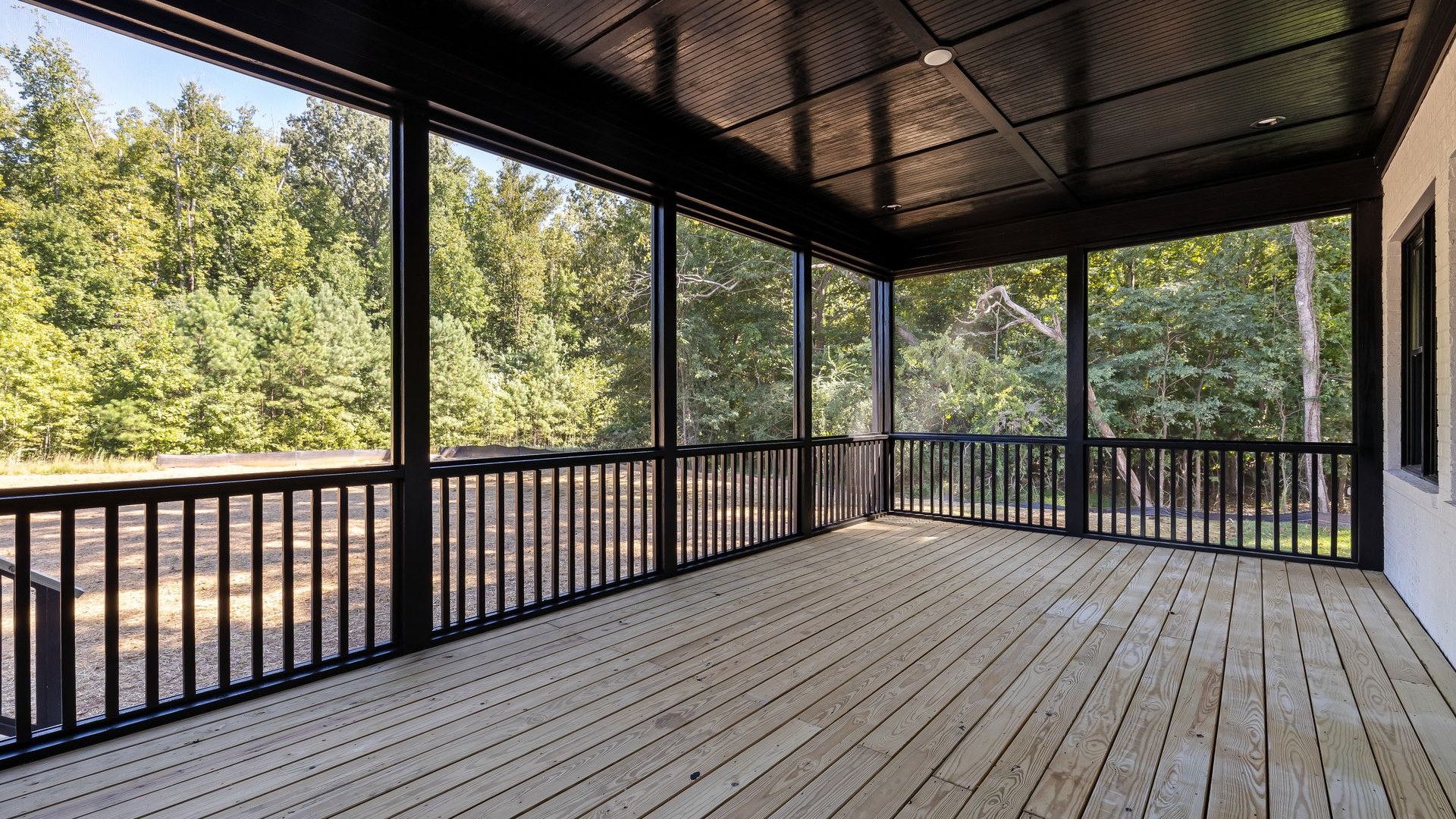
Most wood decks need a fresh coat of stain every two to three years. That is the honest average. The exact schedule for your deck depends on the stain you used, your climate, and how hard the boards get used. Some setups stretch to five years. Others start looking tired after eighteen months. The calendar is only a rough guide. Your deck itself gives better signals, and this article shows you how to read them.
Deck staining frequency means how often you renew the protective stain coat on a wood deck so water and sun stay out of the wood. Stain is not paint. It soaks into the boards and fades from the surface over time, so the job repeats on a cycle instead of lasting forever.
On This Page
- The Short Answer: How Often to Stain a Deck
- Why Stain Fails on Decks
- The Water Test: A 30-Second Way to Know It Is Time
- 7 Signs Your Deck Is Ready for a Restain
- Stain Type Sets the Clock
- Oil-Based or Water-Based: Which Lasts Longer on Decks?
- Your Climate Rewrites the Schedule
- When to Stain a New Deck for the First Time
- Restain, Restore, or Replace?
- DIY or Hire a Pro for Restaining?
- Frequently Asked Questions
- Sources
The Short Answer: How Often to Stain a Deck
Plan on restaining your deck every two to three years if you used a semi-transparent stain, which is the most common choice. Transparent finishes need attention roughly once a year, semi-transparent stains hold for three to five, and solid-color stains can go four to six years on horizontal boards. Vertical parts like railings and posts usually last about twice as long as the walking surface because nobody walks on them and the sun hits them at an angle.
That “every two to three years” line gets repeated everywhere, and it holds up as a starting point. What actually decides your schedule is a small set of things you can check yourself. The stain type matters most. After that comes exposure: full sun and driving rain burn through a finish years faster than a shaded, covered deck. Then foot traffic, wood species, and how well the deck was prepped last time. If you are still choosing a finish, see our deck stain vs. sealer guide; the stain type section below explains which one fits your deck.
There is no prize for staining early, but there is a real cost for staining late. Once water soaks into unprotected boards, you get swelling, cracking, graying, and eventually soft spots that mean replacing boards instead of just coating them. A deck restained on time can serve for 15 to 25 years. A neglected one can need structural help in half that time.
Why Stain Fails on Decks
Decks live harder lives than any other wooden surface on a house, and stain fails there for reasons that have nothing to do with the brand in the can. Sunlight breaks down wood fibers at the surface, which is why unstained boards turn gray. That gray is photodegraded wood fiber, and it is what the next coat of stain has to stick to. Moisture does the other half of the damage. Boards swell when wet and shrink when dry, and that movement flexes whatever finish sits on top. Foot traffic grinds the finish away in the walking lanes first.
The USDA Forest Products Laboratory, which has tested exterior wood finishes for decades, notes that decks get the most severe exposure of any building component and that maintenance there rarely gets the priority it deserves. Their coating guide adds that southern and western sides of a structure weather more rapidly than northern and eastern ones, so a south-facing deck in full sun is always on the short end of any schedule.
The Water Test: A 30-Second Way to Know It Is Time
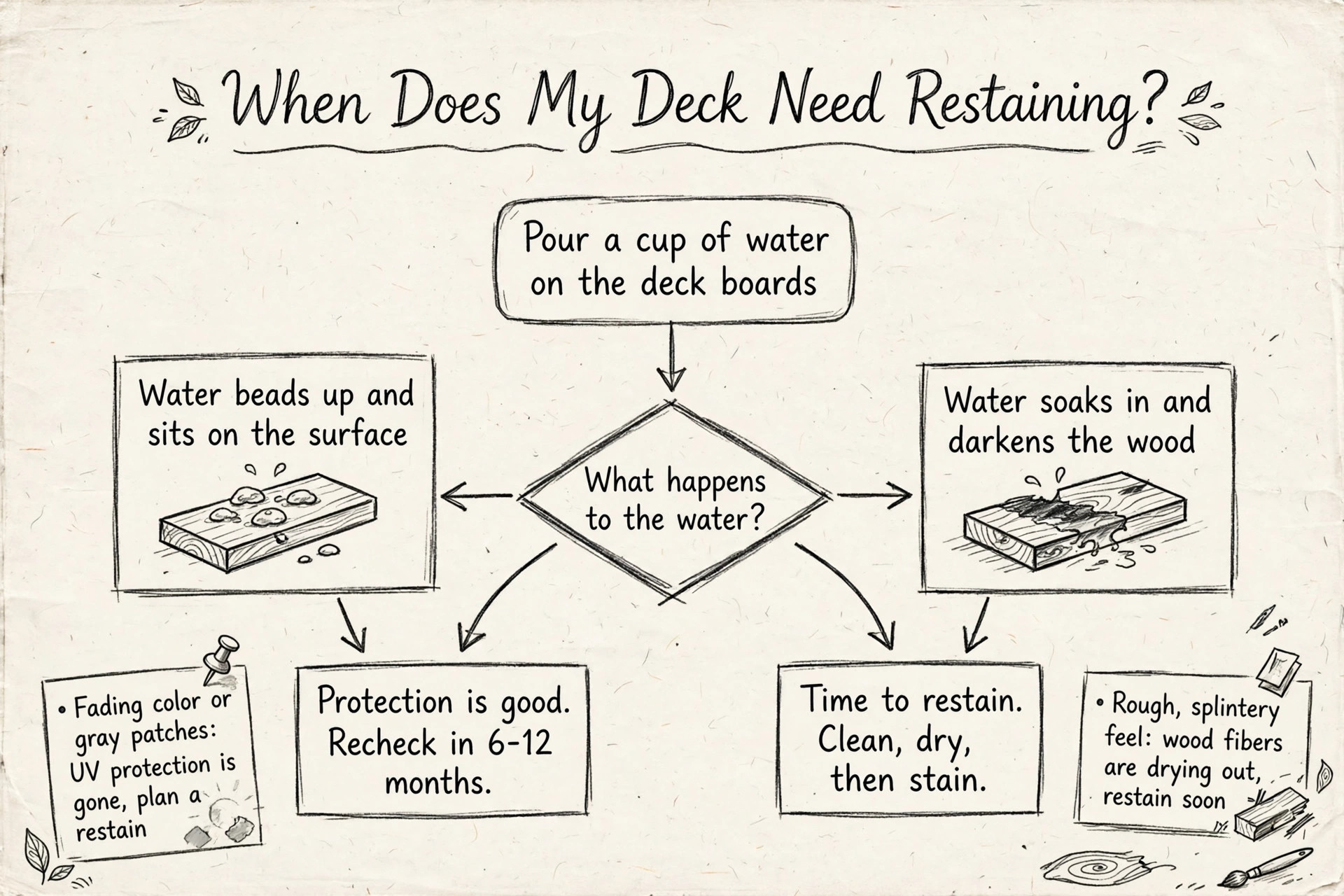
Forget the calendar for a minute. The most reliable test for whether your deck needs stain takes half a minute and a cup of water. Splash water on several boards across the deck, especially in the high-traffic lanes and the sunniest spots. If the water beads up and sits on the surface, the stain is still doing its job. If the water soaks in within seconds and the wood darkens, the protection is gone and moisture is getting into the fibers. That is your signal to schedule a restain.
This is the same idea behind the droplet test the Forest Products Laboratory recommends before finishing wood: sprinkle a few drops of water on bare wood, and if it beads up the wood is not ready to take finish, but if it soaks in, it is ready. For a deck that already has stain, reverse the reading. Beading means the barrier holds. Soaking means it is worn through.
Test several spots, because deck floors wear unevenly. If most of the sunny, high-traffic areas soak in, plan the restain. If only one small patch fails, a spot touch-up can buy you a season.
7 Signs Your Deck Is Ready for a Restain
Even without the water test, your deck tells you when the finish is spent. Walk it slowly on a dry day and look for these.
1. Water stops beading. This is the test to trust most, and it takes seconds.
2. The color is fading in patches. Patchy color, especially in walking lanes, means the pigment and UV blockers are breaking down. It is an early warning.
3. The wood is turning gray. Gray boards have no UV protection left. I have seen a deck go from warm brown to silvery gray in one harsh summer after a clear finish failed. Gray wood needs cleaning or brightening before the new stain, which adds a step.
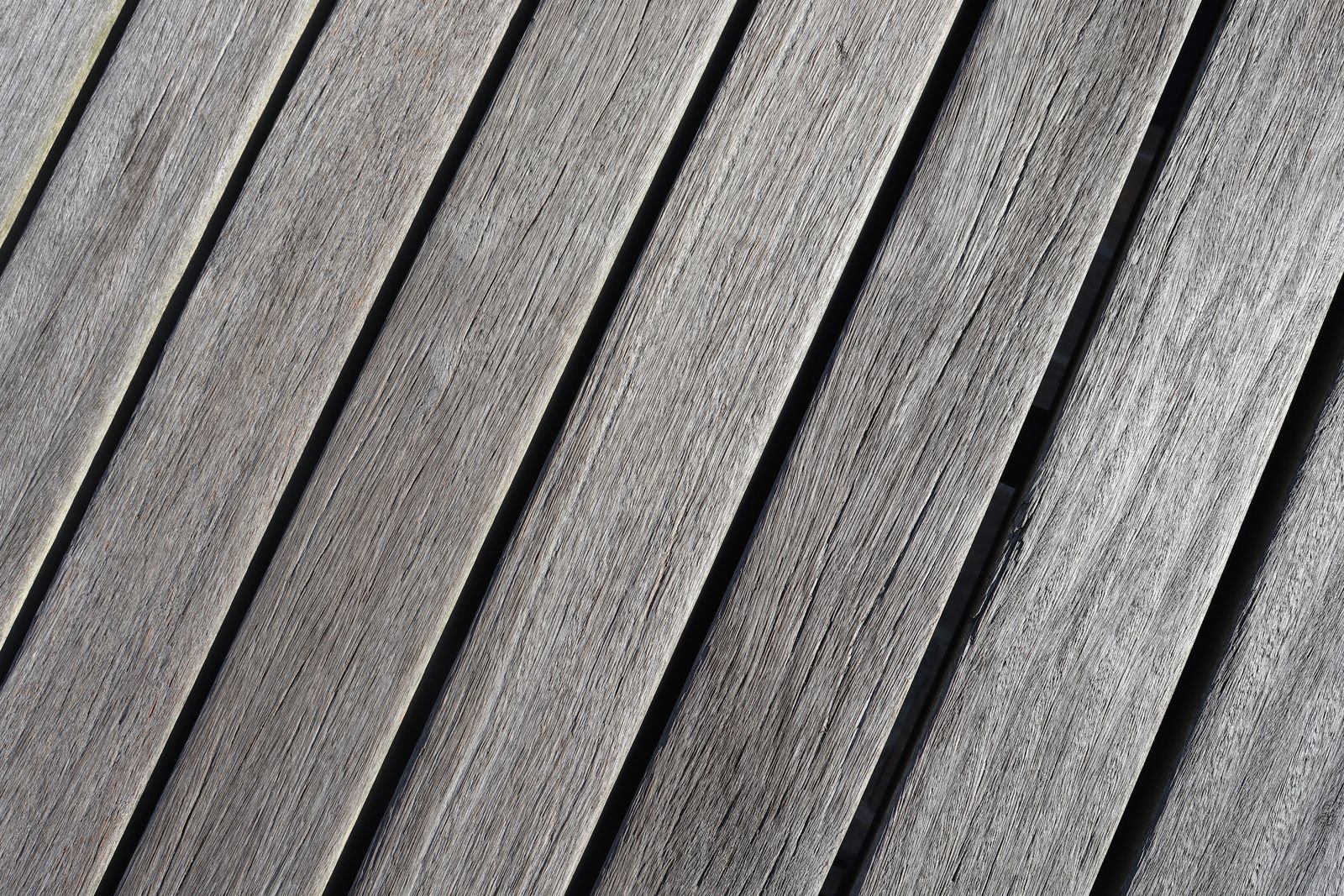
4. The surface feels rough or splintery. Run your hand along the boards. Roughness means the fibers are drying out and the surface is unprotected.
5. Small cracks are opening up. Hairline cracks, called checks, show moisture cycling through unprotected wood. Once they multiply, you are on the clock.
6. Mold or mildew keeps coming back. Dark or greenish patches that return after cleaning suggest moisture is sitting in the wood. A fresh stain helps water shed instead of soaking in.
7. Peeling or flaking patches. Peeling means a solid or film-forming finish has lost its grip. You cannot stain over it. Those areas need prep first, covered later.
If you are seeing two or three of these at once, the restain is overdue. One or two in a small area usually means you can touch up and watch the rest.
Stain Type Sets the Clock
Not all stains are built to last the same amount of time, and this is where most generic advice goes vague. Here is how the categories actually compare on a deck floor.
| Stain type | How it looks | Typical life on deck boards | What to know |
|---|---|---|---|
| Clear / transparent sealer | Bare wood look, almost no color | About 1 to 2 years | Least UV protection. Tim Carter tested a clear sealer on cedar and watched it go gray within four months. Easy to reapply, but the schedule is punishing. |
| Semi-transparent | Color plus visible grain | About 2 to 4 years | The most popular choice. Penetrating formulas wear away instead of peeling, so recoats are simple. FPL testing puts semi-transparent stains at 3 to 5 years, with deck exposure on the shorter end. |
| Semi-solid | More color, some grain showing | About 3 to 5 years | More pigment means better UV blocking. Good middle ground for older decks with some wear. |
| Solid color stain | Paint-like, hides grain | About 4 to 6 years | Best UV protection of the group, but it is film-forming and will eventually peel. When it fails, prep is a bigger job. |
The FPL’s coating checklist also warns that clear film-forming finishes and solid-color stains do not perform very well on decks compared with penetrating finishes, which matches what contractors have said for years. The trade associations representing the forest products industry recommend penetrating oil-based formulations with enough pigmentation to block UV, because the pigment does real protective work.
One practical tip from FPL research: on new, saw-textured wood, applying the second coat of semi-transparent stain while the first coat is still wet can significantly extend the stain’s life. Check the can’s label first, because not every product is formulated for wet-on-wet application.
Oil-Based or Water-Based: Which Lasts Longer on Decks?
This question comes up in almost every deck staining thread, and the honest answer is that both have a place. Oil-based stains penetrate deeper into the wood fibers, which is exactly what you want on a deck floor. They tend to last a little longer between coats, roughly three to four years for a good semi-transparent oil stain, and they wear away gracefully. The trade-off is slower drying, stronger fumes during application, and cleanup with mineral spirits instead of soap and water.
Water-based stains dry fast, smell less, and clean up with soap and water. They sit a bit more on the surface than they soak in, which means they typically need recoating a little sooner, often every two to three years on a deck floor. They hold their color well and are easier to work with, especially for a weekend DIYer.
Either one protects a deck if it is a penetrating formula on clean, dry wood. The real mistake is a film-forming product, the kind that looks like varnish or paint, because it peels on horizontal surfaces and turns the next restain into a stripping project.
Your Climate Rewrites the Schedule
Two identical decks in different states will not need restaining in the same year. Here is how the common climate patterns shift the schedule.
| Climate | What it does to stain | Typical restain interval |
|---|---|---|
| Hot and sunny | UV burns through pigment and dries out the finish | Every 2 years, sometimes sooner for transparent stains |
| Wet and humid | Constant moisture swells boards and feeds mildew; shaded decks stay damp | Every 1.5 to 2 years; inspect shaded areas yearly |
| Freeze-thaw winters | Water in the wood freezes and expands, opening cracks; de-icing salts are hard on finishes | Every 2 to 3 years; stain in late spring or early fall |
| Mild and dry with shade | Least stress of any exposure | Every 3 to 4 years for semi-transparent stain |
A south- or west-facing deck in full sun is always the canary. If one stretch of boards fails years before the rest, it is almost always the sunniest boards. That is just how UV works.
Between stainings, a simple wood deck maintenance schedule keeps the finish alive longer: sweep regularly, wash once a year, and keep planters and debris from trapping moisture against the boards.
When to Stain a New Deck for the First Time
New decks get their own timing question, and the answer depends on the lumber. Pressure-treated wood leaves the mill wet from the treatment process, and staining it too soon traps moisture inside, which leads to peeling and poor adhesion. Give green treated lumber several months to dry, often three to six. Kiln-dried lumber dries faster and can sometimes be stained within a few weeks if the surface is clean. A moisture meter reading between 9 and 14 percent, the range the Forest Products Laboratory recommends for coating wood, is the reliable check. No meter? Sprinkle water on the boards: if it soaks in, the wood is ready to take stain.
One exception: some new decks arrive with mill glaze, a sheen from the planing process that blocks stain absorption. If water beads on brand-new boards instead of soaking, sand or weather the surface before the first coat.
Restain, Restore, or Replace?
Not every tired deck just needs a coat of stain. Here is how to tell which job you are actually facing.
Restain when the boards are sound and the finish is simply worn. The water test fails, the color is fading, maybe some light graying, but the wood is solid underfoot and fasteners are tight. Prep is cleaning, a brightener if the wood is gray, drying time, then stain. This is the normal cycle.
Restore when the deck is structurally fine but cosmetically rough. Deep graying, surface fuzz from old pressure washing, or a peeling finish that has to come off. This means stripping, sanding, and possibly replacing a few boards before staining. It costs a weekend or two of labor and the result can look close to new.
Replace when boards are soft, spongy, or crumbling at the edges, when rot extends into joists or posts, or when railings wobble. No stain fixes structural decay. The International Association of Certified Home Inspectors estimates wood deck planks last 15-plus years with care, and a well-maintained deck can reach 15 to 25 years of service, but an unprotected deck reaches the end much sooner.
Note that boards warped by repeated moisture cycles, like cupping boards, are a shape problem, not a finish problem. Stain will not flatten them. Fix the moisture issue first, then decide whether the board stays or goes.
DIY or Hire a Pro for Restaining?
Restaining a deck is one of the more DIY-friendly exterior jobs. You need a weekend, a brush or pad applicator, a pump sprayer for the cleaner, and dry weather. The work is not skilled, but the prep decides the outcome: clean thoroughly, let the deck dry completely (two to three days after washing, longer in humid weather), and apply thin coats in the shade. Most stain failures trace back to skipped prep, not a bad product.
Call a pro when the deck needs stripping, when railings are intricate enough that brushing them takes a full day, or when you do not have two consecutive dry weekends. Pros also earn their fee on tall or multi-level decks where ladder work gets genuinely dangerous. Take the usual precautions: gloves and eye protection with cleaners and strippers, ventilation with oil-based products, and never stain in rain or when rain is expected within 24 to 48 hours.
Frequently Asked Questions
How often should you stain a pressure-treated deck?
Every two to three years with a semi-transparent penetrating stain, assuming a normal climate. Pressure-treated lumber resists rot and insects from the treatment, but the treatment does nothing against sun and surface moisture, so the stain schedule is the same as for other softwood decks.
Can I stain over old stain, or do I have to strip it first?
If the old stain is a faded penetrating type, clean the deck and stain right over it. If the old finish is peeling, flaking, or film-forming, strip it first, because new stain cannot soak through a failed coating. Test a small hidden area when in doubt.
How do I know if my deck is dry enough to stain?
Use a moisture meter and look for 12 percent or less, ideally in the 9 to 14 percent range wood scientists recommend. Without a meter, do the sprinkle test on a dry day: if water soaks into the boards, the wood will accept stain. Also wait at least 48 hours after washing, and three to seven days is safer in damp weather.
Does stain or sealer last longer on a deck?
They are usually the same product wearing two names. Most deck stains today are stain-and-sealer combinations. What matters is not the label but the formula: a penetrating, pigmented stain lasts longer than a clear water repellent, which the FPL’s testing puts at about one to two years on decks.
How long after staining can you walk on a deck?
Most stains are walkable in 24 to 48 hours and fully cured in about 72, but follow the can. Oil-based stains cure slower than water-based ones. Wait the full cure time before dragging furniture back, since early scuffing leaves permanent marks in a soft finish.
What happens if you wait too long between stainings?
The wood grays, checks, and starts absorbing water, which leads to swelling, splintering, and eventually rot in the boards and sometimes the framing. A deck that misses several cycles can need board replacement instead of a simple recoat, which costs far more than the stain you skipped.
Sources
- USDA Forest Products Laboratory: Finishes Checklist, a guide to optimum coating performance on exterior wood surfaces
- Ask the Builder: How to Stain a Deck, by Tim Carter
- DeckStainHelp: How Long Do Wood Decks Last, by Scott Paul
- New Direction Painting: How Often Should You Stain Your Deck
- Ask the Builder on YouTube: Tim Carter tests three deck stains on his dock

2 Comments
Pingback: Why Are My Deck Boards Cupping? Causes & Fixes | Home Exterior Lab
Pingback: Wood Deck Maintenance: Inspect, Clean & Protect | Home Exterior Lab